
The role of social media in the mobilization of contemporary social movements
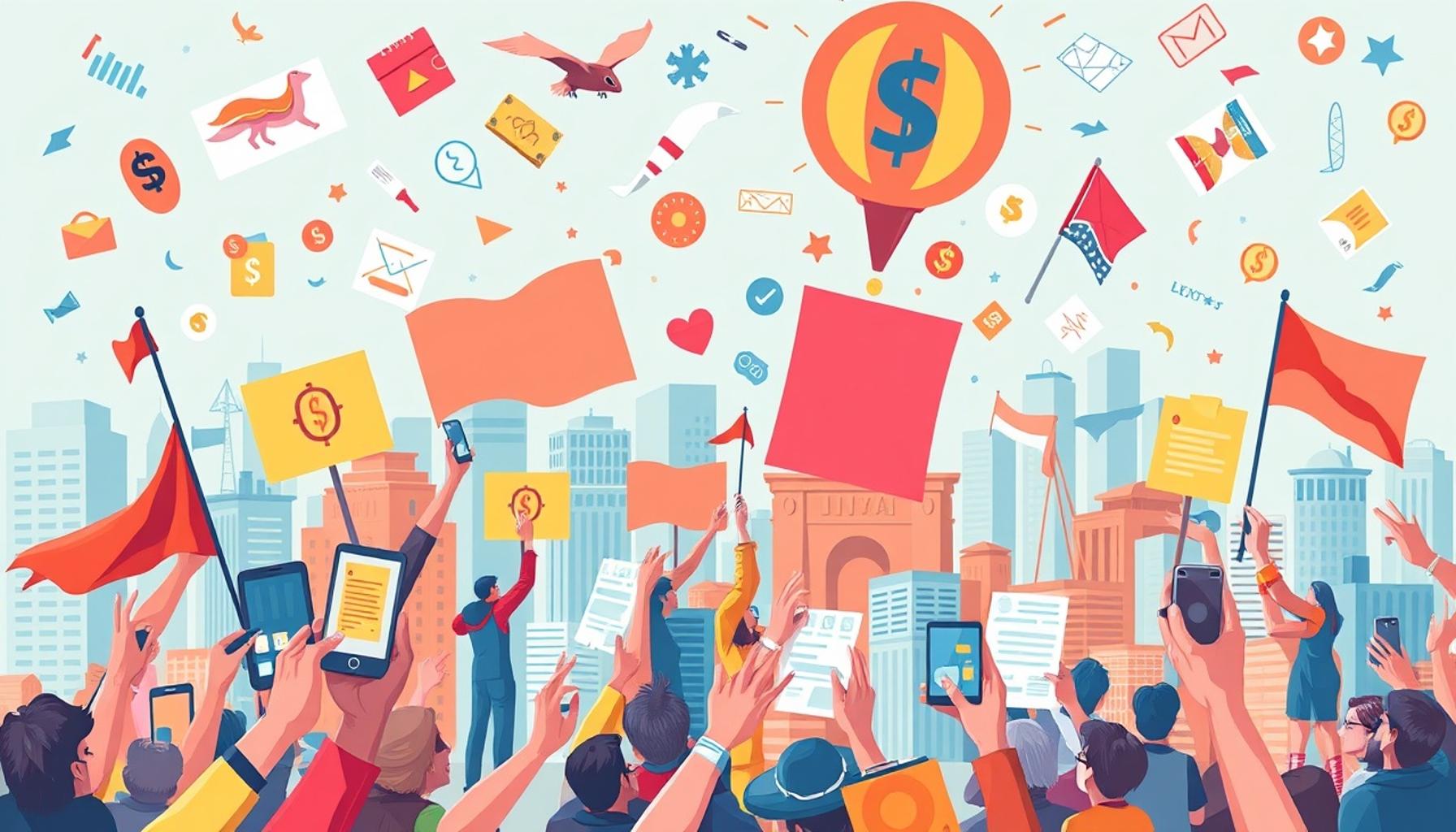
The Impact of Social Media on Social Movements
In today’s digital era, social media has become a vital tool in the way individuals connect and organize. With its ability to transcend traditional communication barriers, it plays an instrumental role in raising awareness and fostering support for social movements worldwide. The significance of social media in these efforts cannot be overstated for several compelling reasons.
Instant Communication
One of the most important features of social media platforms is their capacity for instant communication. Activists can share real-time updates, news, and calls to action at a moment’s notice. For instance, during the early days of the COVID-19 pandemic, organizations used platforms like Twitter to disseminate crucial information on health guidelines and safety protocols. By enabling rapid information sharing, these platforms allow movements to respond quickly to unfolding events, keeping supporters informed and engaged.
Widespread Reach
Another critical advantage is widespread reach. Social media provides a global platform for movements, allowing them to connect with millions. Hashtags such as #MeToo and #ClimateStrike have gone viral, mobilizing individuals across borders and fostering international solidarity. The ability to share powerful messages that can be seen by users worldwide helps to transcend geographical limitations. As a result, movements gain visibility that might be otherwise unattainable through traditional media channels.
Community Building
Moreover, social media facilitates community building among like-minded individuals. It creates spaces where diverse groups can come together, share experiences, and provide mutual support. For example, Facebook groups centered around various causes enable users to discuss relevant issues, share resources, and coordinate actions like petitions and rallies. This communal aspect nurtures a sense of belonging and encourages sustained engagement with the cause.
Mobilization and Engagement
Platforms, such as Instagram and TikTok, have also transformed how movements mobilize supporters. Activists can create visually engaging content that resonates with audiences and spurs them to action. For example, during the Black Lives Matter protests following George Floyd’s death, powerful imagery and videos circulated widely, igniting critical conversations and inspiring numerous individuals to join protests and advocate for change in their communities.
Conclusion
In summary, social media is not merely a broadcasting tool but a dynamic space for dialogue and engagement. Its role in contemporary social movements is essential for activists and supporters. By understanding how to effectively utilize these platforms, movements can harness collective power, ultimately driving societal and political change. As the landscape of activism continues to evolve, the importance of leveraging social media will remain at the forefront of organizing efforts across the globe.
DISCOVER MORE: Click here to learn how the sharing economy is reshaping investments
Connecting Local Efforts to Global Platforms
Social media enhances the ability of contemporary social movements to connect local efforts with global platforms. This interconnectedness allows grassroots movements to inform broader audiences about their goals and challenges. Activists can share their narratives through various formats, including text, images, and videos, creating a rich tapestry of voices that resonate with diverse populations. Particularly in the United States, this interconnectedness has mobilized people from different regions to participate actively in causes that they may not have been aware of otherwise.
Amplifying Diverse Voices
One of the remarkable facets of social media is its capacity to amplify diverse voices. Historically marginalized individuals and communities can use platforms like Twitter and Instagram to share their experiences and perspectives directly with the public. This democratization of voice is crucial in movements such as Black Lives Matter and LGBTQ+ rights, where traditional media sources might overlook or misrepresent their narratives. By giving power to these voices, social media plays a critical role in fostering a culture of understanding and empathy, which is vital for social change.
Viral Campaigns and Collective Action
Social media also enables the creation of viral campaigns, which can lead to swift and widespread mobilization. Campaigns like the Ice Bucket Challenge benefitted hugely from social media, raising millions of dollars for ALS research with incredible speed. In the realm of social justice, campaigns that go viral can lead not only to donations but also to significant collective action. For instance, the #StandWithIran movement saw thousands of users worldwide voice their support for Iranian protestors through hashtags, retweets, and shared content, amplifying their message beyond borders.
Tools for Organization
Another essential role of social media in the mobilization of social movements is the provision of tools for organization. Events, rallies, and meetings can be organized quickly using platforms such as Facebook and WhatsApp. These tools allow activists to create event pages, send out invitations, and share updates with attendees efficiently. Furthermore, they can coordinate logistics effectively, as seen in the Women’s March, where thousands gathered nationwide to advocate for gender equality, largely through social media coordination.
Navigating Challenges and Backlash
However, despite the advantages, social media can pose challenges for movements. The rapid spread of misinformation can distort public perceptions and derail efforts. Furthermore, social media surveillance by authorities can discourage individuals from participating in movements due to fear of repercussions. Understanding these challenges is essential for activists as they seek to navigate the complex digital landscape while maintaining their messaging and momentum.
As social media continues to shape the dynamics of social movements, it becomes imperative for activists to leverage these tools responsibly and strategically. By doing so, they can effectively mobilize support and create lasting change in society.
LEARN MORE: Click here to find remote jobs that pay well with little experience
Building Solidarity Through Online Communities
Social media not only connects individuals and local movements but also plays a critical role in building solidarity through online communities. These platforms create spaces where like-minded individuals can gather, share ideas, and offer mutual support. For instance, niche Facebook groups and subreddit communities centered around social justice movements facilitate discussions and promote a sense of belonging among members. This sense of community strengthens the resolve of activists, encouraging them to participate actively in both online and offline actions.
Grassroots Fundraising
Another significant advantage of social media in contemporary social movements is its ability to facilitate grassroots fundraising. Traditional funding avenues often require lengthy processes and large organizational infrastructures, which can create barriers for smaller movements. Social media, however, allows activists to engage directly with potential donors. Campaigns can reach a vast audience through platforms like GoFundMe or JustGiving, which provide user-friendly tools for fundraising. An example of this is the successful fundraising for the Movement for Black Lives, which raised substantial amounts through social media outreach, enabling them to fund resources and initiatives crucial for their mission.
Activism Beyond Borders
Social media transcends national boundaries and enables activism beyond borders. As movements like #MeToo and Fridays for Future gain traction, they inspire similar initiatives worldwide. These campaigns highlight issues that resonate in various cultural contexts while drawing attention from global supporters. For example, the #MeToo movement sparked similar conversations around sexual harassment and assault in countries like India and Brazil, demonstrating how social media can foster a global dialogue about common struggles. By engaging audiences from different countries, social media helps unify efforts against social injustices that may seem localized but are, in reality, global issues.
The Role of Influencers and Celebrities
The role of influencers and celebrities in social movements has also evolved significantly through the advent of social media. Influential figures often have extensive reach and can bring significant attention to social issues simply by using their platforms. For instance, when high-profile celebrities participate in movements or share related content, their endorsements can validate the efforts of activists and inspire their followers to engage. The participation of public figures in the March for Our Lives movement, advocating for gun reform in the U.S., generated immense media coverage and mobilized countless supporters, illustrating how celebrity influence can impact grassroots initiatives.
Impact on Political Engagement
Social media plays a profound role in shaping political engagement, particularly among younger demographics. Platforms like TikTok have not only spread awareness but have also encouraged voters to participate in elections and civic discussions. Engaging content that informs users about critical issues, candidates, and voting procedures can motivate younger constituents to become politically active. For example, nonpartisan campaigns using viral videos to remind young people of voter registration deadlines have proven to increase participation rates, symbolizing the potential of social media to influence democratic processes directly.
As social media continues to develop, its relationship with social movements grows more intricate. Understanding these dynamics allows movements to harness digital tools to their advantage effectively, fostering a climate where social justice can thrive.
LEARN MORE: Click here to discover strategies for a comfortable retirement
Conclusion
In conclusion, social media has become an indispensable tool for the mobilization of contemporary social movements, providing a platform for communication, solidarity, and direct action. It empowers individuals to connect with like-minded activists, fostering a sense of community that is essential for sustained engagement. The ability to organize grassroots fundraising campaigns enables movements, often underfunded and grassroots in origin, to secure necessary resources quickly and effectively. Social media also facilitates global activism, allowing local issues to resonate on an international scale, further emphasizing our shared human concerns.
The influence of public figures cannot be understated, as they can amplify the reach of movements, attracting more public support. Furthermore, the role social media plays in shaping political engagement among younger demographics is crucial, as it motivates them to take part in the democratic process and advocate for change.
As we move forward, it is important to recognize that while social media offers tremendous potential, it also presents challenges, including misinformation and echo chambers that can hinder meaningful dialogue. Therefore, leveraging its strengths while remaining vigilant about its pitfalls will be essential for the vitality of future social movements. Ultimately, the interplay between social media and activism highlights a new paradigm in mobilization, one where technology plays a pivotal role in championing social justice and driving societal change.

Linda Carter
Linda Carter is a writer and expert known for producing clear, engaging, and easy-to-understand content. With solid experience guiding people in achieving their goals, she shares valuable insights and practical guidance. Her mission is to support readers in making informed choices and achieving significant progress.