
The Impact of Virtual Economies on E-commerce: How Games Are Transforming Retail
Understanding Virtual Economies
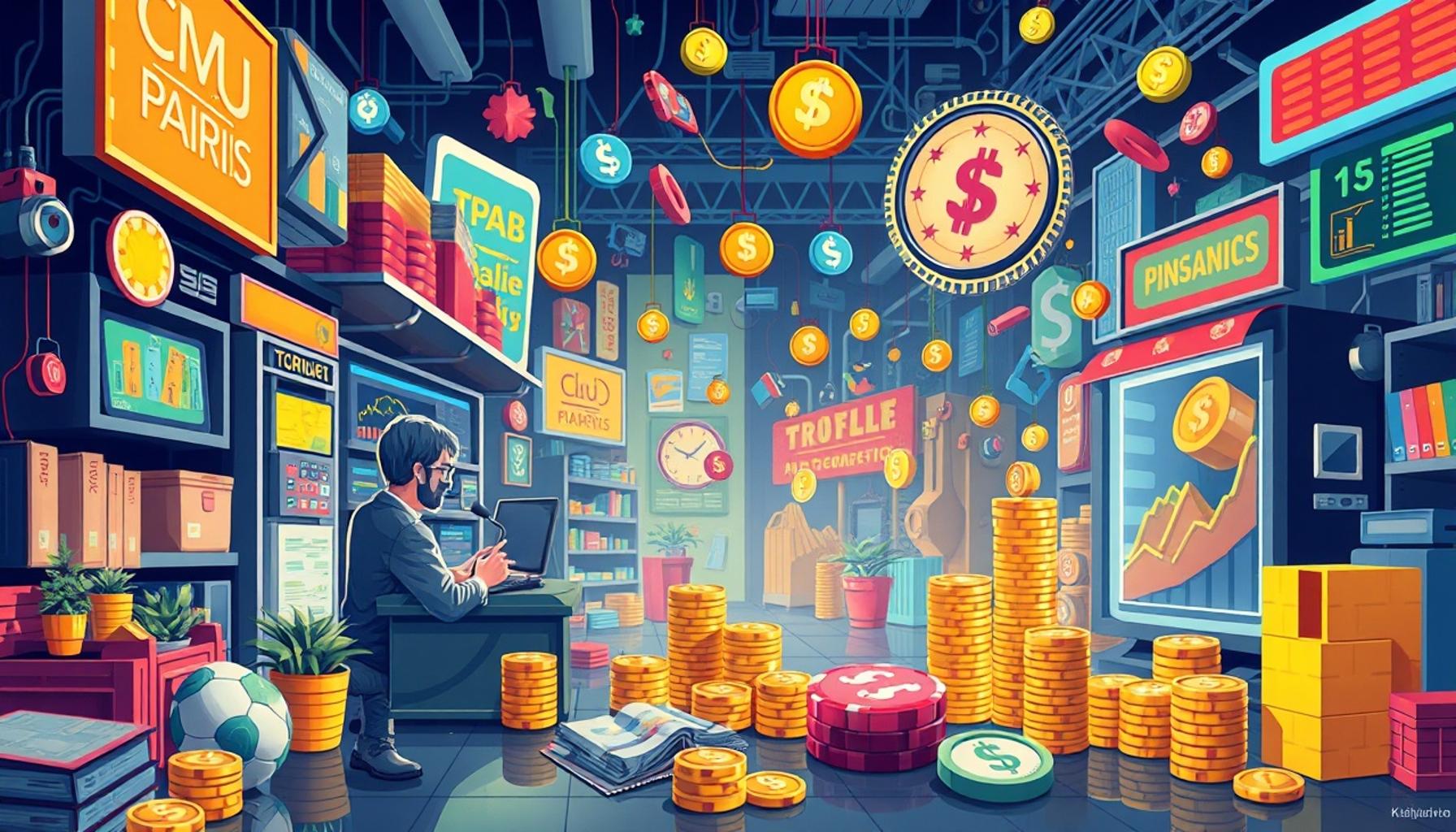
In recent years, virtual economies have emerged as a powerhouse within the digital landscape, profoundly impacting traditional commerce. This development is particularly remarkable when examining how the money spent on virtual items in gaming environments often eclipses that of many physical retail venues. A study conducted by various market research firms has suggested that in-game spending, especially in popular games like Fortnite and Call of Duty, regularly surpasses average consumer expenditure in traditional retail settings. This trend signals a monumental shift towards a new form of commerce.
Emerging Markets
One of the most compelling examples of virtual economies flourishing can be seen in games like Fortnite and Roblox. These platforms feature expansive virtual marketplaces where players can buy and sell an array of in-game items, including clothing, weapons, and accessories that enhance their gaming experience. For instance, Roblox has created a vibrant environment where its users can design and sell their own in-game assets, empowering creativity while driving economic transactions. Users can earn real money through selling virtual items, blurring the lines between entertainment and entrepreneurship.
Consumer Motivation
Understanding the reasons behind such spending habits is crucial. Players are increasingly motivated to purchase virtual goods, not merely for gameplay enhancement but also for social engagement and identity expression. In games where customization is key, items often represent status symbols among peers. A rare skin or exclusive accessory can elevate a player’s social standing within the game, making the purchase not just a transaction but a matter of pride. People, especially younger gamers, are willing to convert real-world currency into virtual currency to improve their gaming engagement.
Brand Collaborations
As the lines between gaming and commerce continue to blur, many traditional retail companies are taking notice. Major brands such as Nike and Gucci have begun collaborating with game developers to create exclusive in-game items that allow players to engage with their products in new ways. These partnerships not only foster brand loyalty among gamers but also provide companies with marketing opportunities that extend beyond traditional advertising methods. For example, Fortnite has hosted entire events where players can acquire branded gear, creating a buzz both within the game and in traditional media outlets, thereby increasing visibility and consumer interest.
The fusion of entertainment and commerce creates a unique ecosystem where consumer engagement is redefined. As more individuals immerse themselves in these virtual worlds, understanding their effects on traditional retail is increasingly vital. This new landscape is not just redefining how we shop but also shaping global trade patterns and economic structures. These changes may eventually lead us towards a future where virtual marketplaces play an equally significant role as physical ones, prompting businesses to adapt to stay relevant in the evolving market.
DIVE DEEPER: Click here to learn more about privacy legislation and cybersecurity
The Role of Virtual Economies in E-commerce Growth
The rise of virtual economies is deeply intertwined with the growth of e-commerce, creating new avenues for both consumer engagement and revenue generation. Traditional retail has long relied on in-person transactions, but the advent of virtual goods sales in gaming presents an innovative model that reshapes how consumers value products. In this new framework, virtual items are often perceived as essential to a player’s experience, paving the way for increased spending and a more dynamic economic interaction.
Virtual Goods and Their Real-World Value
The reality of virtual economies is underscored by the substantial amounts of money that consumers are willing to invest in digital goods and experiences. Here are some key factors to consider:
- Accessibility: Virtual goods are easily accessible through online platforms, allowing consumers to browse and purchase from the comfort of their homes. This convenience enhances the overall shopping experience.
- Instant Gratification: Buyers can immediately engage with the items they purchase, eliminating the wait time associated with traditional shopping. The faster access to virtual goods increases the likelihood of repeat purchases.
- Enhanced Engagement: As consumers invest in characters or items that represent their identities within games, they become more emotionally connected to the virtual environment, further driving up demand for these goods.
A Shift in Consumer Behavior
This shift towards virtual economies influences consumer behavior significantly. Gamers are not only purchasing items to improve their gaming experience but are also investing in objects that allow them to interact within their social circles. Players often share their achievements regarding rare items or custom characters, showcasing a level of pride that further encourages spending.
Moreover, the permanence of digital items contributes to their perceived value. Unlike physical goods that may depreciate or become obsolete, many virtual goods remain relevant and desirable within gaming communities for long periods. This holds particular significance in a world where trends can change rapidly—players may find that their investment in virtual assets retains or even increases its value over time. Certain items can also appreciate based on rarity, driving a market wherein collectors are willing to pay a premium for exclusivity.
Integration of E-commerce Strategies
The implications for e-commerce are monumental, as traditional retailers look to integrate strategies from these burgeoning virtual economies. Key aspects include:
- Branded Virtual Items: Companies can create specific digital products that correlate with their physical offerings, enabling consumers to express brand loyalty in the virtual space.
- Experiential Marketing: Retailers can host virtual events or collaborations that amplify brand awareness while concurrently engaging gaming communities.
- Data Utilization: Understanding spending patterns in virtual economies allows retailers to tailor their offerings in real-time, creating personalized marketing opportunities based on user behavior.
In summary, as we delve deeper into the impact of virtual economies on e-commerce, it becomes evident that gaming and retail are converging in unprecedented ways. The dynamics of consumer spending are fundamentally transforming, requiring businesses to adapt to this evolving landscape to remain competitive.
DISCOVER MORE: Click here to learn about the evolution of privacy legislation
Building Communities Through Virtual Economies
One of the most fascinating aspects of virtual economies is how they foster community among players and consumers. These communities not only enhance the gaming experience but also create a vibrant marketplace where interactions go beyond simple transactions. Within these ecosystems, players come together to trade items, share strategies, and celebrate achievements, all of which can significantly impact e-commerce strategies for businesses.
The Influence of Social Interaction
Social interaction within virtual environments plays a crucial role in driving consumer behavior. For instance, many multiplayer online games have integrated features that allow players to trade items or showcase their collections. This social aspect encourages players to spend more on virtual goods. They may purchase rare items not just for personal enjoyment but also to show off to their friends or peers, thereby boosting their social standing within the community.
The concept of influencer marketing also transcends traditional boundaries within gaming communities. Influencers and streamers can create tremendous value by showcasing virtual products in their streams. Gamers often aspire to emulate influencers, motivated to purchase virtual items that they see showcased as desirable or essential. By harnessing these influencers, retailers can effectively reach targeted demographics, tapping into the authentic voice that resonates with their followers.
Microtransactions and Future Revenue Models
Virtual economies have also birthed the phenomenon of microtransactions, allowing businesses to explore new revenue models. In-game purchases are generally low-cost transactions that can accumulate, creating substantial revenue flows. For example, consider games like Fortnite, which offers players cosmetic items known as “skins.” These skins have no real impact on gameplay but are incredibly popular because they allow players to customize their in-game avatars. This has established a revenue model centered on selling a continuous stream of low-cost virtual goods, resulting in significant annual earnings for the developers.
This model has become attractive for traditional retailers to explore. They can introduce microtransaction strategies by offering limited-time digital goods associated with their brands. For instance, a clothing retailer could sell virtual outfits that players can wear in a popular game, driving both brand recognition and sales. It can evolve into a lucrative revenue stream while allowing consumer engagement in a fresh, interactive way.
Gaming Platforms as New Retail Spaces
Gaming platforms are progressively turning into virtual shopping malls. Major platforms like Steam and Roblox are not merely places to play games; they are vibrant marketplaces where users can purchase a variety of goods. These platforms offer brands the unique opportunity to list their products in a gaming context, reaching potential customers in a setting where they are already engaged.
For instance, brands may create virtual storefronts where players can buy exclusive in-game items while also promoting real-world merchandise. Retail giants like Nike and Adidas have experimented with this concept, allowing players to wear branded virtual shoes in games. Not only do these actions drive sales, but they also establish a deeper connection with target audiences who value authenticity in both the virtual and physical worlds.
In essence, the integration of virtual economies into e-commerce is creating a landscape rich with potential. As retailers watch gaming communities flourish and adapt, they will often find a treasure trove of insights into consumer behavior that can inform their strategies, building stronger consumer relationships and innovative avenues for profit.
LEARN MORE: Click here to discover the benefits of investment diversification
Conclusion
The intersection of virtual economies and e-commerce is reshaping the retail landscape in profound and exciting ways. As we have explored, virtual economies provide players with not just a service or pastime but a dynamic community where they can interact, trade, and express themselves. These aspects foster belonging and engagement, compelling users to invest in virtual goods not just for personal satisfaction but for social validation within their gaming circles.
Moreover, the rise of microtransactions allows businesses to tap into new revenue streams through low-cost purchases that accumulate to sizeable profits. Think about how brands like Nike are seamlessly integrating their products into gaming platforms, blurring the lines between virtual and physical commerce. This innovative approach not only drives direct sales but also cultivates brand loyalty within younger demographics who value authenticity.
As we look ahead, the potential for further collaboration between traditional retailers and gaming platforms appears limitless. Brands can take advantage of these newfound retail spaces to create immersive shopping experiences that resonate with today’s digital-savvy consumers. The lessons learned from virtual economies in games can guide businesses toward understanding consumer behavior, enhancing customer relationships, and ultimately driving profits.
In conclusion, the fusion of e-commerce with virtual economies is not just a trend but a transformational movement that invites retailers to rethink their strategies. Those who embrace this evolution will likely position themselves at the forefront of retail innovation, ready to engage consumers in ways that deepen their connections and expand their reach.

Linda Carter
Linda Carter is a writer and expert known for producing clear, engaging, and easy-to-understand content. With solid experience guiding people in achieving their goals, she shares valuable insights and practical guidance. Her mission is to support readers in making informed choices and achieving significant progress.