
The Impact of Artificial Intelligence on the Events Industry: Transforming Live Experiences
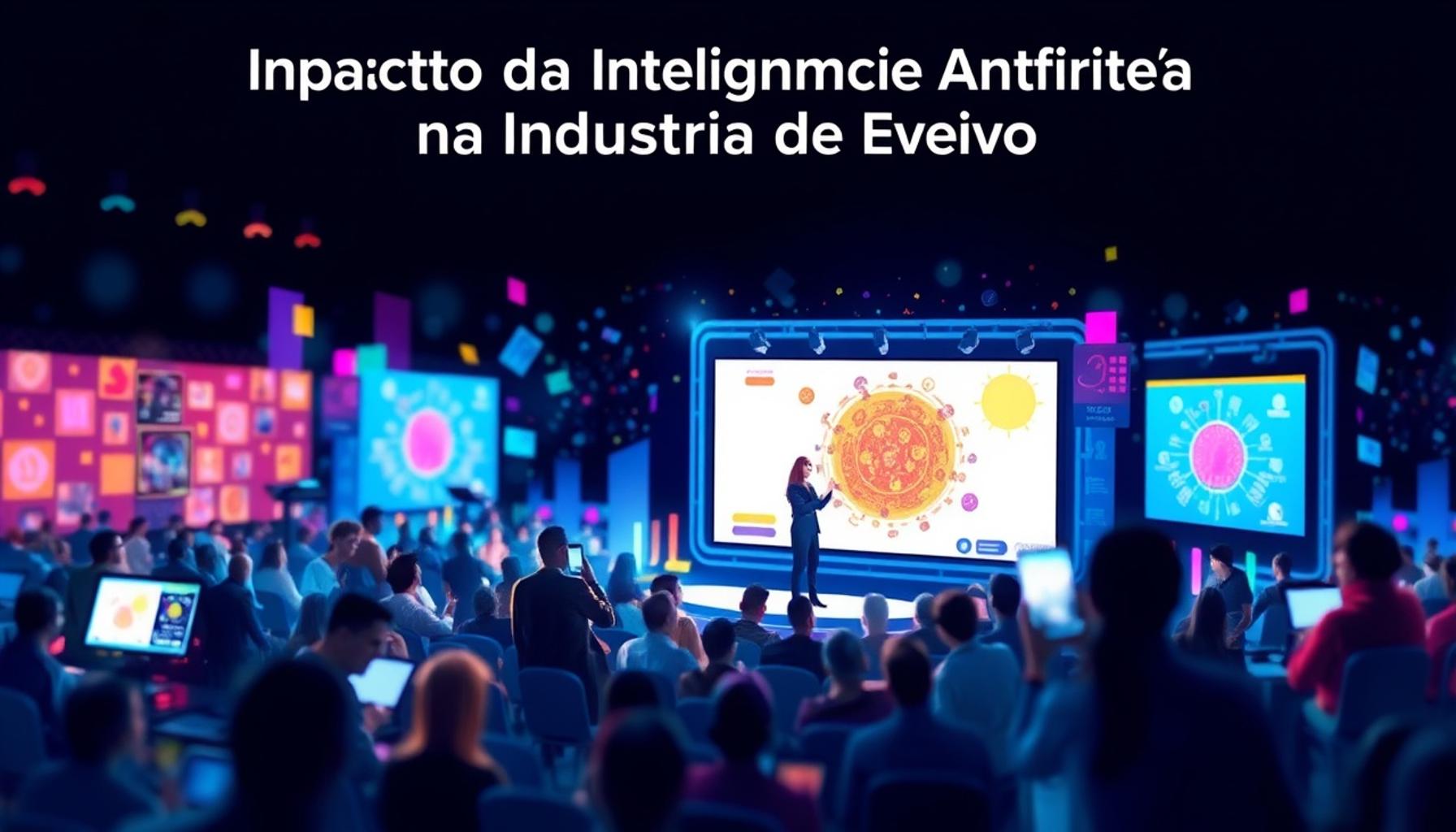
The Role of AI in Transforming the Events Industry
As technology continues to evolve, the events industry finds itself at the forefront of a significant transformation. Artificial Intelligence (AI) is revolutionizing how we plan, execute, and experience events, influencing every step of the process. From enhancing attendee engagement to streamlining event management, AI is proving to be a game-changer.
Key Areas Where AI is Making an Impact
The integration of AI technologies is touching various facets of event management, leading to more efficient and engaging experiences. Here are some notable areas where AI is making a significant difference:
- Personalization: AI can analyze attendee data to provide tailored recommendations, ensuring that each participant feels catered to. For instance, when an event organizer uses an AI tool, it can sift through previous interactions, preferences, and demographics to suggest specific sessions that align with an individual’s interests. This enhances the experience and fosters a deeper connection between the attendee and the event content.
- Automation: Tasks such as registration and ticketing can be automated, saving time and resources for event organizers. With AI-driven systems, attendees can quickly register or purchase tickets through user-friendly interfaces, leading to fewer bottlenecks at event entrances. For example, an AI system can automatically send confirmation emails and reminders to attendees, significantly reducing the administrative workload.
- Data Analytics: AI tools can offer insights into attendee behavior, helping organizers make informed decisions for future events. By analyzing patterns such as session attendance rates or engagement levels, organizers can understand which topics resonate most with their audience. For instance, if data shows that a particular workshop drew a high number of participants and positive feedback, similar sessions can be planned for upcoming events.
- Virtual Assistants: AI-powered chatbots enhance customer service by answering questions and providing real-time assistance during events. These virtual assistants can handle a wide range of inquiries, from venue information to program schedules, allowing event staff to focus on more complex tasks. For example, a chatbot could help attendees navigate a large conference by providing directions or suggesting nearby restaurants during their breaks.
Implications of AI Adoption in Events
The adoption of AI technologies is not merely a trend; it represents a fundamental shift in how events unfold. The benefits include improved engagement through personalized experiences and increased efficiency due to automation. However, challenges also exist, such as ensuring data privacy and managing the technological learning curve for both organizers and attendees. As the landscape continues to evolve, it is essential to embrace these innovations while being mindful of their implications.
Without a doubt, the integration of AI into the events industry will reshape live experiences for both organizers and attendees alike. By being proactive and adaptable to these advancements, stakeholders can create more successful and memorable events in the future.
DISCOVER MORE: Click here for the complete guide
Enhancing Events with AI-Driven Personalization
One of the most significant advantages of integrating Artificial Intelligence into the events industry is the ability to deliver highly personalized experiences for attendees. Personalization is essential in today’s fast-paced environment, where audiences expect events to cater to their specific interests and preferences. AI algorithms utilize data to create a tailored experience, making attendees feel valued and engaged.
For example, when event organizers employ AI analytics tools, they can gather insights from attendee behavior prior to the event. This may include tracking which sessions were most popular in past events, analyzing social media interactions, or even monitoring registration patterns. By leveraging this data, organizers can craft customized agendas that resonate with different segments of their audience. Let’s explore how this works in practice:
- Targeted Content Recommendations: Using AI, event platforms can suggest specific sessions or networking opportunities based on an attendee’s past activity and preferences. A marketing professional might receive recommendations for workshops that focus on digital strategies, while a human resources manager could be directed to sessions addressing employee engagement innovations.
- Customized Networking Opportunities: AI tools can analyze attendee profiles to facilitate meaningful connections. By identifying mutual interests, AI can match attendees with similar backgrounds or goals, enhancing networking during events. For instance, an AI-powered app could suggest meeting times and locations based on attendee availability and shared interests, making networking seamless and productive.
- Dynamic Agenda Updates: AI can provide real-time updates and adjustments to event schedules. If a particular session remains in high demand, organizers can leverage AI to suggest additional sessions or reroute attendees to similar topics. This flexibility ensures that attendees get the most relevant experience based on their interests at any given moment.
This level of personalization powered by AI not only improves attendee satisfaction but also fosters greater engagement and participation throughout the event. When audiences feel that an event speaks directly to them, they are more likely to interact, ask questions, and network effectively, ultimately enhancing the overall value of the event.
Efficiency Through Automation: Reducing Manual Tasks
Another area where AI is significantly impacting the events industry is through automation, particularly in streamlining various logistical tasks. Event planning requires meticulous attention to detail and can often be time-consuming and labor-intensive. AI technologies help alleviate some of this burden by automating several key processes, enabling event planners to focus on strategy and creativity.
For instance, AI systems can automate the registration process, allowing attendees to sign up quickly and easily through online platforms. When attendees arrive at the event, they can use self-service kiosks or mobile check-in features powered by AI, which drastically reduces wait times and enhances the overall experience. Additionally, AI can manage ticketing by securing payments and issuing digital tickets securely and efficiently.
Furthermore, AI-driven systems can handle communications seamlessly. For example, confirmation and reminder emails can be generated automatically, ensuring that attendees remain informed throughout their journey leading up to the event. By automating these aspects of event management, organizers can redirect their efforts towards crafting rich, immersive experiences for their attendees.
In summary, the incorporation of AI into the events industry marks a transformative shift, where personalization and efficiency are at the forefront of enhancing live events. As the industry continues to adapt to technological advancements, the potential for AI to shape future experiences will be profound.
DIVE DEEPER: Click here to learn more
Data-Driven Insights: Enabling Informed Decision-Making
Another transformative impact of Artificial Intelligence in the events industry lies in its ability to harness data effectively, providing organizers with actionable insights that inform their planning and execution strategies. In a world where data is considered the new oil, events can leverage these insights to enhance every facet of the experience from planning stages through to post-event analysis.
AI algorithms can process vast amounts of data to identify trends and behaviors that may not be immediately evident to human analysts. For instance, through the integration of tools that use machine learning, event organizers can assess attendee feedback in real time. Feedback can be gathered via surveys, social media interactions, or even voice recognition technology during sessions. This enables organizers to quickly identify what is working well and what requires urgent attention. Here are some practical applications of this data-driven approach:
- Behavioral Analysis: By analyzing data from various sources, AI can identify patterns in attendee behavior, such as session attendance rates or engagement levels across different activities. If a particular workshop seems consistently less popular, organizers can tweak its content or consider offering it at a different time to boost attendance.
- Predictive Analytics: AI can use historical data to forecast outcomes, allowing planners to make informed predictions about future events. For example, based on previous events, an organizer might predict that attendance for a specific keynote speaker will exceed expectations and can plan logistical support accordingly, such as securing a larger venue or adding extra seating.
- Post-Event Evaluation: Post-event reporting has traditionally been a tedious process involving aggregating feedback from multiple sources. However, AI can simplify this process by quickly analyzing the collected data to produce comprehensive reports. Organizers can gain insights into attendee satisfaction and areas of improvement, making it easier to refine future events.
Moreover, AI-driven insights help organizations establish stronger relationships with sponsors and exhibitors. By using data to demonstrate attendee engagement and preferences, organizers can provide valuable analytics to stakeholders, helping them understand the return on investment from their participation. This transparency is crucial in building long-term partnerships and offering value to sponsors.
Revolutionizing Event Marketing with AI
AI has a profound ability to enhance event marketing strategies, ensuring that promotions reach the right audience at the right time. Traditional marketing methods often rely on broad demographic targeting, which can result in wasted resources and lower engagement rates. With the help of AI, marketers can implement more sophisticated strategies that improve effectiveness and efficiency.
For instance, AI algorithms can analyze social media data, web behavior, and search trends to identify target audiences with the highest likelihood of attending specific events. This means that rather than casting a wide net, marketers can focus their efforts on likely attendees, increasing the chances of conversion. Some approaches involve:
- Chatbots for Engagement: AI-driven chatbots can handle inquiries and provide instant information to potential attendees, enhancing customer service and engagement. They can answer questions about event details, ticket pricing, and provide personalized recommendations, creating an interactive marketing experience.
- Segmented Email Campaigns: By utilizing AI to analyze attendee data, marketing teams can segment their audiences and tailor communication accordingly. For example, returning attendees might receive different content than first-timers, allowing for targeted messaging that resonates better with each group.
- Dynamic Ad Targeting: AI can optimize online advertising by adjusting ad placements based on real-time performance metrics. This ensures that marketing budgets are spent effectively, targeting the right demographics with compelling messages to drive registrations.
These advancements in marketing strategies not only streamline promotional efforts but also help create a buzz around events, increasing overall attendance and engagement. The AI revolution in the events industry is paving the way for more insightful, efficient, and tailored experiences, enhancing the landscape of live events across the board.
DISCOVER MORE: Click here to unlock exclusive savings
Conclusion
The integration of Artificial Intelligence within the events industry marks a pivotal shift in how live experiences are designed, marketed, and executed. From enhancing attendee engagement through personalized interactions to streamlining logistical planning with data-driven insights, AI is redefining the possibilities for event organizers. The ability to analyze large volumes of data not only allows for real-time adjustments but also fosters a deeper understanding of attendee behaviors and preferences, ultimately leading to improved experiences.
Moreover, AI enhances marketing strategies by enabling targeted communication and engagement, ensuring that promotional efforts are directed towards likely attendees. This precision helps maximize attendance while optimizing resource allocation. As we move forward, embracing AI will be essential for event professionals looking to stay competitive and meet evolving audience expectations.
While the benefits of AI are substantial, it is crucial for industry stakeholders to approach this technology with a balanced perspective. Ethical considerations regarding data privacy and the potential for over-reliance on technology must also be addressed as we navigate this transformational landscape. By striking the right balance, the events industry can harness the full potential of AI, creating not only more effective events but also enriching, memorable experiences for all involved.
In conclusion, the impact of AI on the events industry is significant and transformative. As this technology continues to evolve, it promises to unlock new avenues for innovation and creativity, paving the way for an exciting future filled with enhanced live experiences.

Linda Carter
Linda Carter is a writer and expert known for producing clear, engaging, and easy-to-understand content. With solid experience guiding people in achieving their goals, she shares valuable insights and practical guidance. Her mission is to support readers in making informed choices and achieving significant progress.