The Future of Immersive Events: Exploring Sensory and Interactive Technologies to Create Memorable Experiences

The Evolution of Engagement through Immersive Events
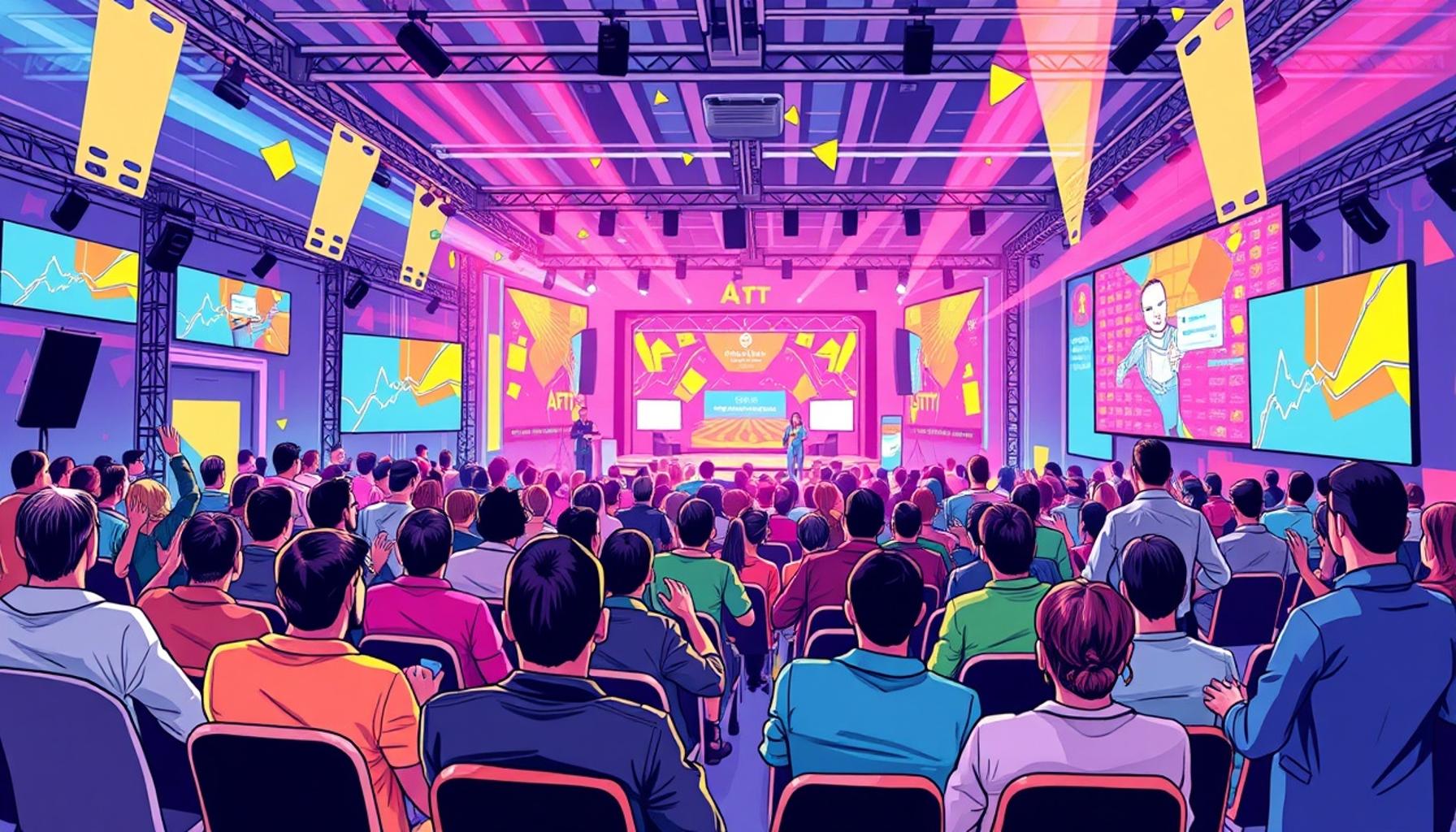
In today’s fast-paced, technology-driven world, immersive events are revolutionizing the way individuals engage with experiences in various sectors, including marketing, education, and hospitality. These events go beyond mere attendance; they aim to captivate, inspire, and involve participants on a deeper level. By leveraging sensory and interactive technologies, planners can craft experiences that are not only memorable but also profoundly impactful.
Technological Innovations Shaping Experiences
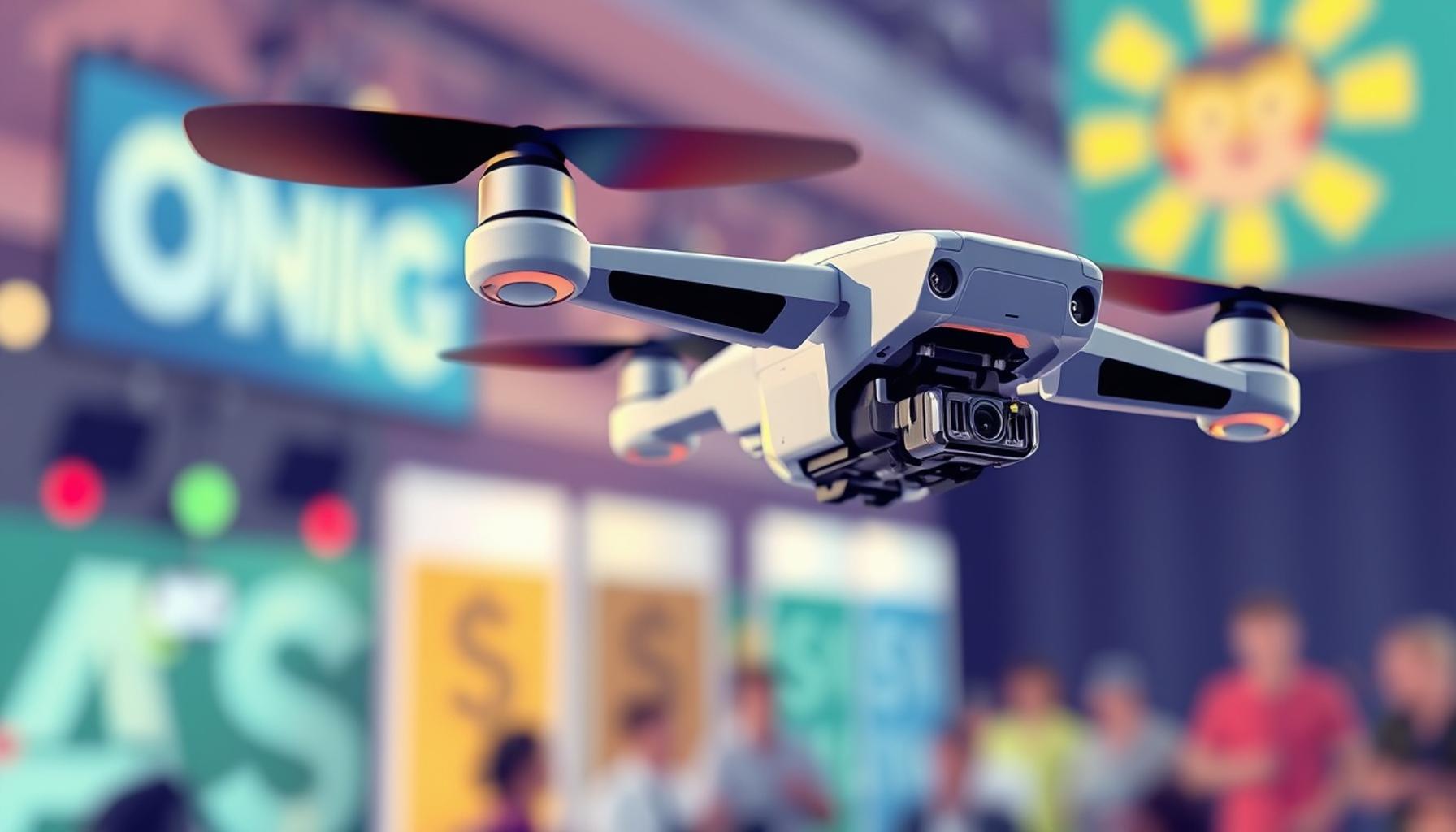
One of the most exciting advancements is Augmented Reality (AR). This technology allows attendees to see digital information overlaying the physical world through their smartphones or augmented glasses. For instance, during a product launch event, AR can be used to showcase a virtual model of the product alongside interactive features that attendees can engage with right from their seats. This kind of interaction fosters a sense of participation and ownership among the audience, making the event more vivid and memorable.
Virtual Reality (VR) takes immersion to an entirely new level by creating fully interactive digital environments. Imagine walking into a VR space at a travel expo where you can explore a virtual beach, a mountain range, or even a cityscape from different parts of the world. Participants don VR headsets and experience the sights and sounds of these locations as if they were truly there, elevating entertainment and education alike.
Furthermore, sensory experiences are increasingly being incorporated into events to engage multiple senses at once. This can include curated soundscapes that resonate with the theme of the event, aromatic diffusers that evoke memories and emotions, or tactile installations that allow touch interaction. For example, a cooking demonstration might feature the aroma of spices and the sounds of sizzling pans, creating an enriching experience beyond what the visual aspect alone could provide.
The Benefits of These Immersive Experiences
The integration of these technologies does more than just entertain; it serves vital roles in enhancing connectivity among attendees. Immersive events can:
- Encourage collaboration and networking: Participants can engage in interactive workshops that facilitate teamwork in fun, engaging ways.
- Enhance learning and retention of information: By actively participating rather than passively receiving information, individuals are more likely to remember concepts long after the event.
- Leave lasting impressions that evoke emotions: An unforgettable experience creates memories that attendees will carry with them, often leading to greater brand loyalty and customer engagement.
As we delve deeper into the future of immersive events, it is essential to recognize how these technologies are continuously shaping audience expectations. Participants now seek immersive experiences that resonate with their emotions and foster connections with others. Thus, event planners must remain attuned to these evolving needs to create events that are not only captivating but also impactful.
The future of immersive events is indeed promising, with potential for growth and innovation limited only by our imagination. As we explore this frontier, it becomes increasingly clear that the evolution of engagement is just beginning.
DISCOVER MORE: Click here to delve deeper
Harnessing Interactive Element for Memorable Connections
As the landscape of immersive events continues to evolve, incorporating interactive elements plays a pivotal role in enriching participant engagement. These elements, ranging from live polls to gamified experiences, foster a sense of community among attendees while heightening their overall experience. By inviting participants to interact with the event’s content or with each other, organizers can create a vibrant atmosphere that encourages both learning and enjoyment.
Engagement Through Real-Time Interaction
One of the fundamental ways technology is enhancing immersive events is through real-time interaction. Utilizing tools like mobile apps or dedicated event platforms, planners can facilitate live Q&A sessions, enabling audiences to submit questions directly from their devices. This not only increases audience engagement but also ensures that participants feel their voices are heard, effectively bridging the gap between presenters and attendees.
For example, at a tech conference, attendees might use an app to vote on session topics or share their feedback during discussions, fostering a more inclusive environment. This immediacy in communication enhances the learning experience, making it easier for participants to connect with the material and with their peers.
Gamification: Elevating the Experience
Gamification is another innovative approach that stands out in the realm of immersive events. By incorporating game-like elements such as points, challenges, and leaderboards, event organizers can transform traditional learning experiences into dynamic, interactive ones. Attendees can collect points for networking, completing workshops, or attending specific sessions, resulting in friendly competition that motivates participation.
The benefits of gamification in immersive events are manifold:
- Increased motivation: Attendees are more likely to engage fully when their efforts are acknowledged through rewards.
- Enhanced collaboration: Team-based challenges can bring participants together, fostering a stronger sense of community.
- Greater retention: The interactive nature of gamified experiences often leads to improved information retention, helping attendees remember key concepts long after the event concludes.
Immersive events that embrace these interactive features not only enhance the overall experience but also leave a lasting impression on participants. As this trend grows, event planners are encouraged to think creatively about how these technologies can be integrated into future gatherings, ensuring that attendees walk away with memories that extend far beyond the event itself.
In summary, as we navigate through the future of immersive events, the focus on interactive technologies is setting new standards for engagement. By employing real-time interaction and gamification, event organizers can provide meaningful experiences that resonate on a personal level with each participant. The journey of exploring creativity in the immersive event space is just beginning, and the possibilities are as expansive as the technology itself.
DISCOVER MORE: Click here to dive deeper
Leverage Sensory Experiences to Enhance Engagement
In addition to interactivity, the inclusion of sensory experiences is essential in designing memorable immersive events. By leveraging various sensory inputs—such as sight, sound, touch, and even smell—event planners can create a more holistic experience that captivates attendees on multiple levels. This multidimensional approach aids in constructing a more profound emotional connection, making the event more memorable.
Visual and Auditory Stimuli: Capturing Attention
Vibrant visuals and compelling audio can significantly elevate the ambiance of an event. Advanced projection mapping technologies can transform ordinary spaces into stunning visual landscapes, enchanting participants as they step into a completely new environment. For instance, at an art exhibition, walls can be illuminated with dynamic projections that shift and change, illustrating the theme of each displayed piece. This technique not only engages attendees visually but also creates buzz on social media as they share their awe-inspiring experiences.
Moreover, sound design is an often-overlooked element that holds the potential to impact participant engagement profoundly. Incorporating soundscapes tailored to fit the theme can enhance the overall atmosphere. Consider a wellness retreat where gentle nature sounds or soothing music create an environment conducive to relaxation and mindfulness. By intertwining auditory experiences with visuals, planners can evoke emotions and memories that resonate long after the event has ended.
Tactile Interactions: Making Connections Through Touch
Tactile interactions are increasingly finding their place in immersive events. From touch-responsive displays to hands-on workshops, engaging attendees through touch can enhance memory retention and foster stronger connections to the content. For instance, in a culinary festival, organizers might set up stations where participants can physically interact with ingredients, learn cooking techniques, and even collaborate on dishes. This type of engagement allows for a deeper understanding and appreciation of the subject matter.
Similarly, incorporating virtual reality (VR) and augmented reality (AR) technologies can craft experiences that not only engage sight and sound but also incorporate touch in innovative ways. Imagine a real estate event where attendees use VR headsets to explore properties, “walking” through spaces and feeling as if they are truly present. The combination of immersive visuals and realistic environments can leave a lasting impression and significantly influence decision-making.
The Role of Aroma: Engaging the Sense of Smell
The sense of smell is a powerful but often neglected element in immersive event design. Aroma has a unique ability to evoke memories and feelings, allowing organizers to create a multisensory experience that feels unique and personal. By incorporating carefully chosen scents, such as fresh pine in a sustainability summit or warm spices during a cultural festival, planners can anchor experiences to specific themes and enhance emotional responses.
For instance, a tech convention could use advanced scent diffusion systems to make participants feel energized and focused, while also mirroring the futuristic vibe of the latest gadgets. Importantly, scent can serve as an emotional cue, prompting attendees to recall their experiences long after they leave the event.
In conclusion, the future of immersive events hinges on the harmonious integration of interactive and sensory technologies. By enriching the attendee experience through creative, sensory stimulus, event organizers can ensure that their gatherings resonate on a deeper level and foster meaningful connections that leave lasting impressions.
DISCOVER MORE: Click here to learn how to save money on your next car purchase
Embracing Innovation for Lasting Impact
As we look towards the future of immersive events, it is clear that the fusion of sensory and interactive technologies will play a pivotal role in shaping unforgettable experiences. The incorporation of sensory elements—such as visual, auditory, tactile, and olfactory stimuli—offers a multidimensional approach that transcends traditional event formats. By engaging multiple senses, event organizers can create a rich tapestry of experiences that resonate with participants long after the event has concluded.
Moreover, the innovative use of technology, including virtual reality (VR) and augmented reality (AR), opens up new avenues for participation and engagement. These advancements allow attendees to not only witness but also interact intimately with content, forging stronger emotional connections. As seen in various successful events, these technologies can enhance understanding, promote collaboration, and inspire creativity, which are instrumental in keeping audiences engaged.
In conclusion, the future of immersive events promises an exciting landscape where creativity, technology, and sensory experiences collide. Organizers who embrace these innovations will not only elevate their events but also cultivate a community of engaged participants who cherish their shared memories. By prioritizing experience design that focuses on interaction and sensory richness, event planners can ensure that their gatherings leave a lasting impact, transforming mere events into truly memorable experiences.

Linda Carter
Linda Carter is a writer and expert known for producing clear, engaging, and easy-to-understand content. With solid experience guiding people in achieving their goals, she shares valuable insights and practical guidance. Her mission is to support readers in making informed choices and achieving significant progress.