Gamification in Virtual Events: Engaging Participants with Interactive Innovations
Understanding Gamification in Virtual Events
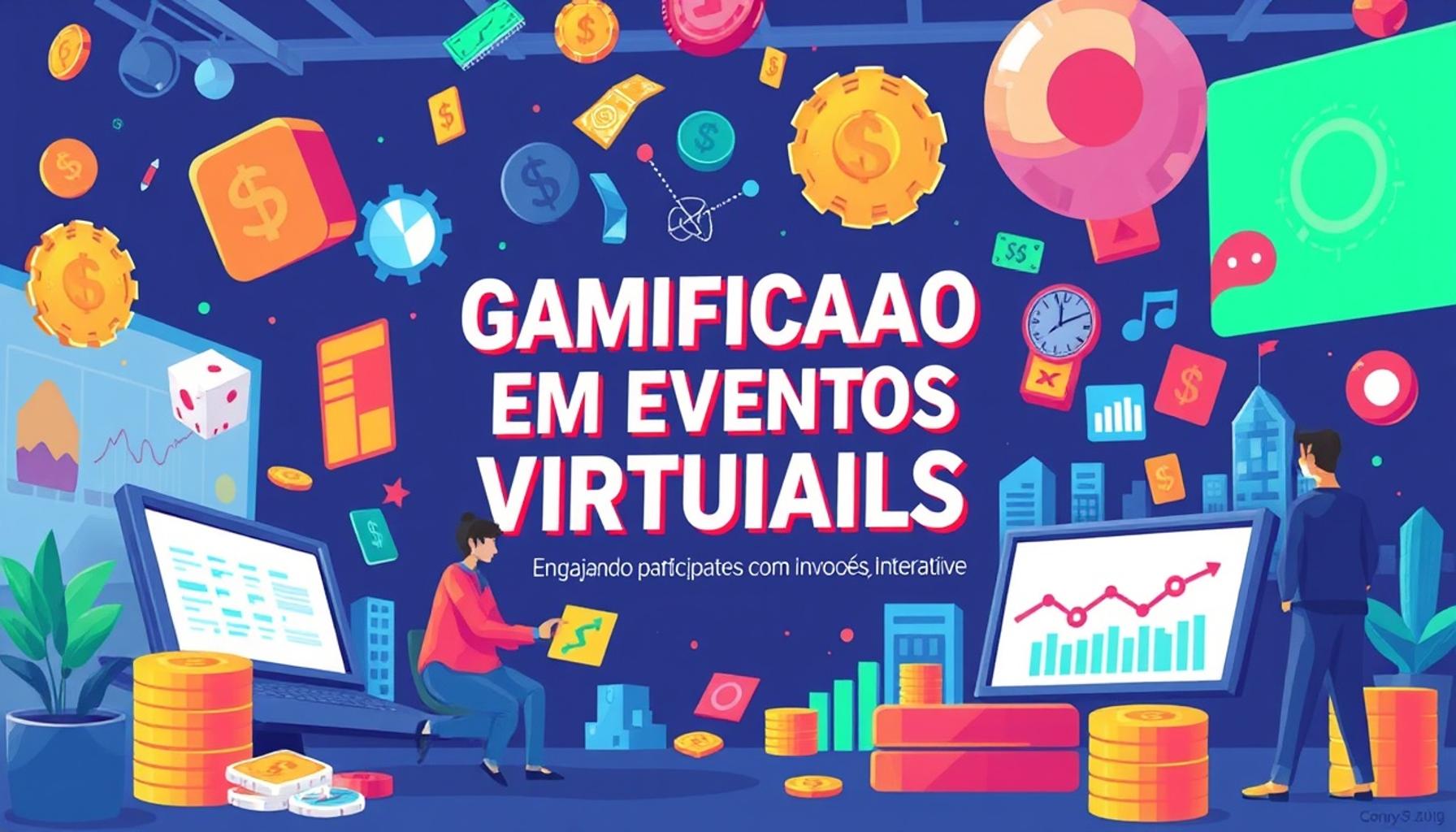
In the modern digital age, it’s more important than ever for event organizers to think creatively about how to engage their audiences. Gamification is an innovative approach that has emerged as a powerful tool to enhance participant experiences during virtual events. By incorporating game-like elements, organizers can transform the typical online conference or workshop into an engaging and dynamic environment that resonates with attendees.
Leaderboards promote a sense of competitive spirit and excitement among participants. For instance, if you are hosting a conference focused on tech innovation, a leaderboard can showcase the top contributors in a live chat or those who ask the most insightful questions. Leaders in these rankings not only receive recognition but feel encouraged to engage more actively, making their experience richer. This not only fosters competition but can also increase overall attendance as participants strive to improve their ranking.
Interactive quizzes are another effective gamification strategy. By incorporating quizzes during presentations, you can both reinforce key concepts and measure how well participants are absorbing the information presented. For example, after a session on effective digital marketing strategies, you could hold a quiz with questions regarding the material covered. This interaction not only keeps attendees on their toes but can also spark friendly discussions surrounding the answers, enhancing collaboration amongst peers.
Furthermore, offering rewards such as points, badges, or even tangible prizes can greatly motivate participation. Consider utilizing a points system where attendees earn scores for participating in discussions, completing surveys, or engaging with breakout sessions. These scores could then be redeemable for prizes like gift cards or free registrations for future events. These incentives create a sense of accomplishment and encourage individuals to be more active participants rather than passive observers.
The integration of gamification not only enhances engagement but also cultivates a community atmosphere among attendees. When participants are involved in enjoying gaming elements, their connections deepen, allowing for more vibrant discussions and networking opportunities. As we explore the innovative techniques behind gamification, it’s essential to recognize that the end goal is to ensure your virtual gatherings are not merely events to attend but rather experiences to cherish.
In conclusion, effectively implementing gamification strategies can transform your online events into engaging and interactive experiences that participants are eager to join. By valuing contribution, encouraging healthy competition, and enriching learning through interactive formats, you’re likely to see a marked difference in attendance and satisfaction levels. Embrace these techniques to elevate your next virtual gathering, making it not just memorable but truly enjoyable for all involved.
DISCOVER MORE: Click here to expand your financial knowledge
Key Gamification Elements for Virtual Engagement
To effectively engage participants in virtual events, it helps to implement specific gamification elements that not only capture attention but also encourage interaction. Each of these elements works together to foster a sense of community, competition, and accomplishment among attendees. Let’s delve into these key components that can transform your virtual gatherings.
1. Interactive Polls
One of the simplest yet most effective gamification tools is the use of interactive polls. By polling your audience on relevant topics during a session, you not only gather valuable insights but also invite real-time participation. For instance, if a speaker is discussing the latest trends in cybersecurity, you could ask participants to vote on which trend they believe will have the greatest impact. This not only makes participants feel involved in the discussion but also provides the speaker with immediate feedback, making the session more dynamic.
2. Challenges and Contests
Creating challenges or contests can significantly enhance engagement levels. By setting specific tasks—like photo contests, scavenger hunts, or brainstorming sessions—organizers can encourage creativity and collaboration. For example, during a virtual health and wellness conference, you could hold a challenge where attendees share healthy recipes or workout routines. Participants could showcase their entries, and by having a voting system, the best submissions can receive recognition or rewards. This not only boosts engagement but also cultivates a community where participants feel valued.
3. Virtual Networking Games
Networking is one of the critical components of any event, and incorporating virtual networking games can enhance this experience. For instance, platforms like break-out rooms can host speed networking sessions with icebreaker games to get conversations started. Participants could rotate between rooms, answering fun questions or completing small group challenges. This not only breaks the ice but also allows attendees to make new connections in a relaxed and engaging manner.
4. Feedback Mechanisms
Utilizing feedback mechanisms through gamification is crucial for continuous improvement in event planning. Organizers can incorporate real-time feedback options, asking participants to rate sessions or share their thoughts on various elements of the event. For example, a post-session quiz or survey can provide insights into what worked well and what could be improved. These mechanisms not only involve attendees in shaping future events but also make them feel their opinions matter.
Why Gamification Matters
Ultimately, the objective of integrating gamification strategies in virtual events is to create a more engaging and memorable experience for participants. By implementing these game-like elements, event organizers can elevate the overall quality of their gatherings, ensuring that attendees are not just participants but active contributors. This shift in dynamics promotes camaraderie, competition, and a sense of shared purpose, making virtual events more than just a digital gathering — they become real experiences that participants genuinely look forward to.
DISCOVER MORE: Click here to enhance your understanding
Innovative Strategies for Sustained Engagement
While the key gamification elements discussed earlier provide a strong foundation for engaging participants in virtual events, implementing innovative strategies can elevate the overall experience and maintain interest throughout the event. Here, we explore additional tactics that can help sustain engagement and ensure that participants feel connected and motivated.
1. Leaderboards and Badges
Integrating leaderboards and badges into your virtual event can significantly drive motivation among participants. By acknowledging the top performers in various activities—be it through polls, contests, or networking games—attendees are more likely to stay involved. For example, if your event features quizzes on industry knowledge, consider creating a leaderboard that displays participant scores in real-time. Additionally, awarding badges for achievements, such as “Networking Pro” or “Quiz Champion,” can offer tangible recognition, encouraging further participation and competition.
2. Storytelling and Thematic Experiences
Incorporating storytelling into your virtual event can create an immersive experience that captivates participants. A well-crafted narrative relating to the event’s theme can add depth and intrigue, helping attendees feel like they are part of something larger. For instance, if your event focuses on sustainability, consider framing activities around an adventure to save the planet, with interactive challenges that reflect real-world issues. This approach can create a shared mission that not only engages participants but also fosters discussions around important topics.
3. Virtual Reality (VR) and Augmented Reality (AR)
As technology advances, utilizing virtual reality (VR) and augmented reality (AR) in virtual events has become more feasible and impactful. These technologies can provide immersive experiences that help attendees engage with content in a whole new way. For example, using VR, participants can explore a virtual exhibition space where they interact with exhibits and vendors. AR applications could guide attendees through interactive sessions or allow them to visualize complex concepts, enhancing learning and retention during the event.
4. Reward Systems and Incentives
Establishing a reward system can further motivate engagement by giving participants something to strive for. This could include prizes for participation, random giveaways during sessions, or exclusive content access available only through engagement. For example, rewarding participants who attend multiple sessions or who engage regularly with activity prompts can lead to a more robust turnout and participation. People love to feel rewarded, and a well-structured incentive program can spark further interest in your event.
5. Social Media Integration
Encouraging social media integration can amplify the gamification experience and extend engagement beyond the virtual event itself. By creating specific event hashtags or challenges that allow participants to share their experiences on their social platforms, you create a sense of community that transcends the main event. For example, prompt attendees to post their virtual event experiences or insights on platforms like Twitter or Instagram, and recognize the best content with prizes or features during the event. This not only enhances engagement during the event but also helps build a lasting online presence.
By leveraging these innovative strategies, organizers can create a vibrant and interactive environment that not only entertains but also educates attendees. Keeping participants engaged in multiple ways fosters connections and ultimately adds significant value to the virtual event experience.
DISCOVER MORE: Click here to learn how to profit from rental opportunities
Conclusion
The impact of gamification in virtual events cannot be underestimated, as it serves as a powerful mechanism to enhance participant engagement. For instance, consider a virtual conference where attendees earn points for attending sessions, answering quizzes, or networking with others. This system not only motivates participants to take part more actively but fosters a sense of competition, which can make the experience more enjoyable. By leveraging elements like leaderboards, attendees can see how they rank in relation to their peers, which can further stimulate their involvement and encourage participation in various activities.
Incorporating immersive storytelling through gamified scenarios can transform ordinary presentations into captivating journeys. Imagine a workshop where participants must solve challenges based on real-world business problems using VR simulations. This hands-on approach helps reinforce learning and deeper understanding of the material presented. Additionally, technologies such as virtual reality (VR) and augmented reality (AR) can create engaging environments that immerse participants into the content, making it much more relatable and memorable.
Another essential aspect of successful virtual events is the implementation of robust reward systems that recognize and celebrate participants’ efforts. This could involve the distribution of digital badges for achievements or even tangible rewards such as gift cards and exclusive content access. More importantly, integrating social media encourages attendees to share their experiences in real time, broadening the reach of the event and fostering community spirit. When participants post about their achievements or experiences online, they help create a vibrant, interactive buzz that can inspire others to join future events.
As we move forward, the trend of virtual events will increasingly lean on interactive innovations that not only provide entertainment but also enhance the learning experience. By embracing strategies like gamification, event organizers can craft more inclusive, engaging, and unforgettable virtual gatherings. It is essential for those in the event industry to recognize that adopting these techniques is not a mere trend but a crucial step toward building strong, lasting connections in an increasingly digital age.

Linda Carter
Linda Carter is a writer and expert known for producing clear, engaging, and easy-to-understand content. With solid experience guiding people in achieving their goals, she shares valuable insights and practical guidance. Her mission is to support readers in making informed choices and achieving significant progress.