
The Role of Behavioral Finance in Investment Decisions in Times of Volatility
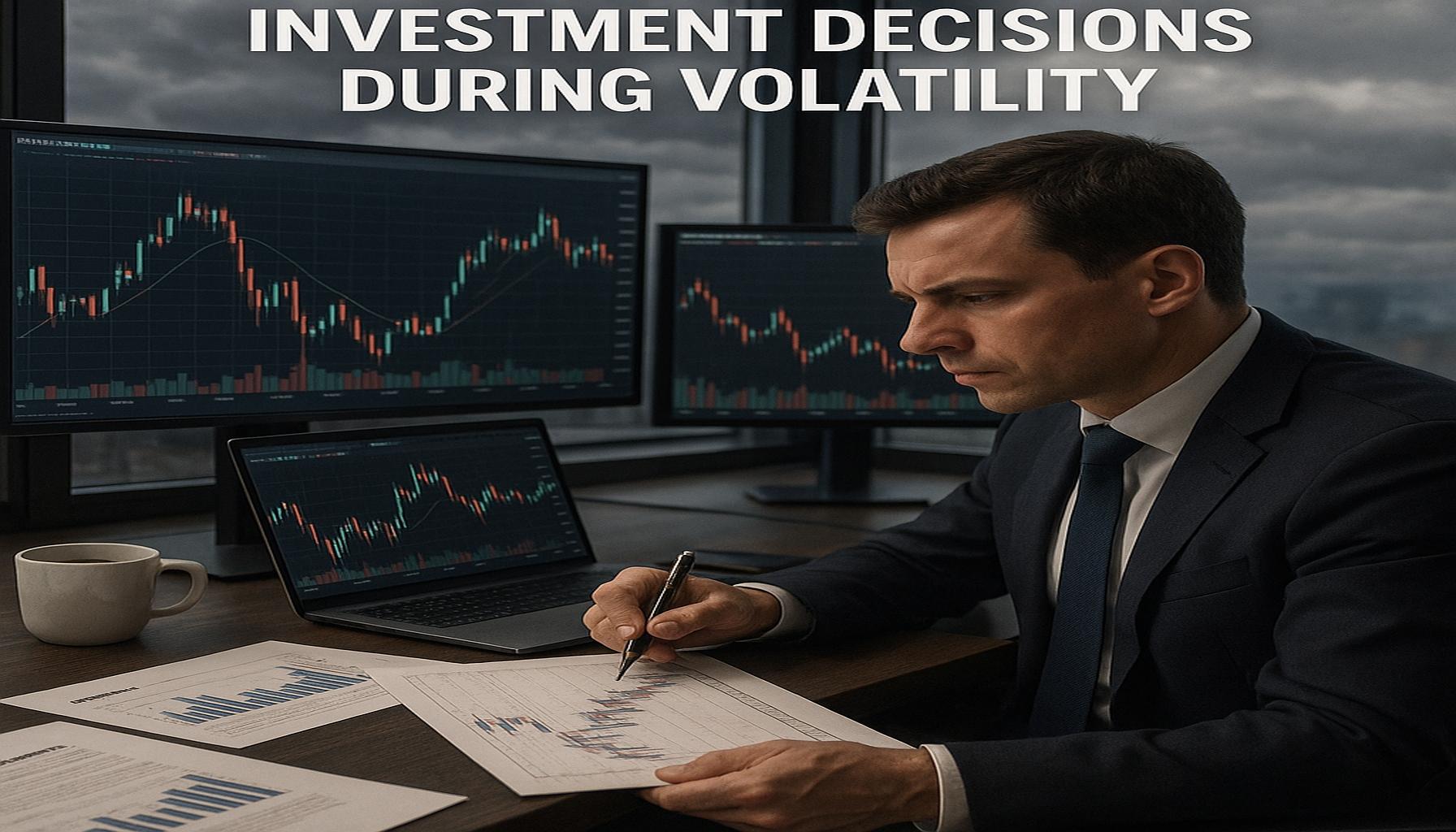
Understanding the Impact of Psychology on Investment Decisions
In today’s financial environment, volatility can leave even seasoned investors feeling uncertain and anxious. The unpredictability of the stock market can shake the confidence of even the most knowledgeable professionals. Factors beyond fundamental analysis—like economic indicators or company performance—play a significant role in influencing market dynamics. Traditional financial models often fail to capture why investors behave irrationally during these critical market swings. Enter behavioral finance, a field that provides profound insights into how psychological factors shape financial decisions and behaviors.
The Importance of Behavioral Finance
Understanding behavioral finance is essential, especially in times characterized by market turbulence. Our emotional responses significantly affect our decision-making processes. Some key behavioral finance concepts that every investor should be aware of include:
- Herd behavior: During periods of market enthusiasm or panic, investors often follow the actions of others rather than relying on their own analysis. This collective decision-making can result in outrageous market bubbles, such as the dot-com bubble of the late 1990s, or drastic crashes, like the 2008 financial crisis.
- Loss aversion: Psychologically, people tend to fear losses more than they value equivalent gains. This principle means that the pain associated with losing $100 is often more intense than the pleasure of gaining $100. As a result, fear of losses can drive investors to sell off assets at low prices during downturns, exacerbating their financial hurt.
- Overconfidence: Many investors overestimate their ability to predict market trends or the performance of specific stocks, resulting in excessive risk-taking. For instance, a trader might ignore economic indicators suggesting a downturn, clinging to a belief that they can time the market perfectly, only to face substantial losses.
Strategies for Better Decision-Making
By recognizing these behaviors, investors can navigate turbulent markets more successfully. For instance, setting predetermined rules for buying and selling can help mitigate the emotional responses that often lead to poor choices. Implementing strategies such as stop-loss orders can limit potential losses and reinforce discipline when markets turn turbulent.
Ultimately, the integration of behavioral finance into investment strategies allows for a more informed approach. It empowers investors to:
- Understand their own biases that may cloud judgment.
- Make rational decisions under pressure, reducing the impact of fear and anxiety.
- Enhance long-term investment success by focusing on strategic planning rather than impulsive reactions.
Concluding Thoughts
As we delve deeper into the realm of behavioral finance, it becomes evident that acknowledging psychological aspects is crucial for making sound investment decisions, particularly during periods of uncertainty. Recognizing the emotional triggers that lead to irrational behavior is the first step toward achieving a balanced investment approach. By cultivating an awareness of these psychological influences, investors can not only improve their decision-making processes but also ultimately enhance their investment outcomes, even amid market upheaval.
DISCOVER MORE: Click here to unlock the secrets of long-term wealth
Behavioral Biases in Action
In the face of market volatility, behavioral biases can heavily influence investment decisions, often leading individuals away from sound financial practices. The psychology of investing reveals that emotions can significantly cloud judgment, making it imperative for investors to recognize and combat these biases. Among the most common behaviors observed during turbulent market conditions are anchoring, confirmation bias, and regret aversion. Understanding these tendencies can empower investors to make more informed decisions.
Anchoring: The Weight of Initial Information
The concept of anchoring refers to the tendency of investors to rely too heavily on the first piece of information encountered when making decisions. For instance, if an investor buys shares of a technology company when the price is $100, they may anchor their expectations to this figure. If market conditions later push this price down to $70, they could irrationally hold onto their investment, hoping it will rebound to the original price, rather than assessing the stock’s current valuation or fundamentals. This anchoring can result in substantial losses, as the individual refuses to adjust their expectations based on new information.
Confirmation Bias: Seeking Validation
Confirmation bias is another psychological pitfall that can affect investment strategies during volatile periods. This bias occurs when investors selectively seek out information that confirms their existing beliefs while disregarding evidence to the contrary. For instance, if an investor is convinced that a particular stock will recover, they may only pay attention to bullish analyses or positive news about the company, ignoring bearish reports or market signals suggesting the opposite. This narrowing of perspective can lead to poor investment outcomes and a lack of diversification in a portfolio, making it riskier during periods of market instability.
Regret Aversion: Fear of Making Wrong Choices
Investors often grapple with regret aversion, which is the fear of making a decision that leads to a loss or a missed opportunity. This emotional response can prompt investors to delay decision-making out of fear, intending to avoid the feelings of regret associated with loss. For example, during a sharp market decline, a hesitant investor may decide to hold onto a losing asset rather than sell it at a loss, hoping for a market rebound. Unfortunately, in acting out of fear and regret, they end up magnifying their losses as the downturn persists. The avoidance of immediate regret can hinder the overall investment strategy and lead to long-term negative consequences.
Strategies to Overcome Behavioral Biases
Recognizing and addressing these behavioral biases is essential for investors, especially in times of volatility. To combat anchoring, for example, investors can maintain a disciplined approach by regularly reassessing their investment thesis and considering various viewpoints. Additionally, seeking input from trusted analysts or financial advisors can help counter confirmation bias, fostering a more well-rounded perspective. Finally, developing a well-structured investment plan that includes predefined exit strategies can mitigate the effects of regret aversion, allowing investors to make rational, informed decisions even amid uncertainty.
By understanding and implementing strategies to manage behavioral biases, investors can navigate volatile markets with greater confidence and resilience. Focusing on disciplined execution rather than emotional reactions ultimately leads to improved decision-making and long-term investment success.
DIVE DEEPER: Click here to discover more
Emotional Reactions to Market Fluctuations
Investors often find that their emotional responses significantly sway decision-making processes during periods of market volatility. The emotional cycle can lead to a series of knee-jerk reactions that deviate from a reasoned investment strategy. Fear and greed are two dominant emotions that often dictate investor behavior, especially when the markets are experiencing significant upheaval.
The Influence of Fear on Investment Decisions
Fear can become a crippling force for investors, particularly in a tumultuous economic environment. When prices plummet, the instinctual reaction may be to exit the market entirely, driven by the desire to avoid further losses. For instance, during the 2008 financial crisis, many retail investors sold off stocks at the market’s trough, missing out on the subsequent recovery that began shortly thereafter. This pattern exemplifies how the fear of loss can lead to financial regret, further reinforcing the cycle of poor investment decisions during downturns.
Moreover, fear can also trigger a herd mentality where investors rush to follow the actions of others rather than conducting independent analyses. The fallacy of “if everyone is selling, it must be a good idea” often leads to a collective withdrawal from stable investments, creating unnecessary volatility and amplifying market downturns. Recognizing this emotional response is crucial, as it can help investors pause, reassess their strategies, and resist the urge to react impulsively.
The Greed Factor: The Pursuit of Quick Gains
On the flip side, in periods of market upswing, the emotion of greed can lead to detrimental decision-making. Investors may become overly optimistic, ignoring rational assessments in favor of chasing returns. This ‘FOMO’ (fear of missing out) can lead to excessive risk-taking; individuals might invest heavily in speculative assets, such as meme stocks or cryptocurrencies, believing they will replicate skyrocketing past performance.
The notorious dot-com bubble of the late 1990s serves as a classic example of how greed fueled irrational exuberance, causing many to overlook the fundamentals of the companies they were investing in. As the bubble burst, countless investors faced substantial losses, highlighting the perils of letting greed steer investment choices during a booming market.
Constructing a Resilient Investment Mindset
To navigate the emotions of fear and greed, investors need to cultivate a resilient mindset that prioritizes long-term goals over short-term fluctuations. Developing an automatic response plan can assist in mitigating emotional reactions. Establishing rules around when to sell or add to positions based on predetermined criteria—such as a specific percentage drop or market indicator—can prevent reactive behaviors fueled by the emotional rollercoaster present in volatile markets.
Additionally, embracing mindfulness techniques and ongoing education can empower investors to become more aware of their emotional states during trading. By fostering a deeper understanding of market dynamics and one’s psychological triggers, investors can reroute emotional energy into disciplined analysis and strategy development rather than allowing it to lead them into impulsive decisions.
The Importance of Support Systems
Lastly, leveraging support systems including financial advisors, peer groups, or mentorship can enhance judgement and provide a buffer against emotionally charged decisions. Consulting with professionals helps investors remain grounded and can introduce alternative perspectives that challenge behavioral biases. This collaborative approach not only promotes accountability but also encourages more rational decision-making that aligns with long-term financial objectives.
As investors face the inevitable ebbs and flows of financial markets, understanding the emotional landscape and learning to navigate it equipped with a strong support framework can significantly bolster investment resilience during times of volatility.
DISCOVER MORE: Click here to learn how to apply
Conclusion
In the unpredictable landscape of financial markets, the significance of behavioral finance becomes increasingly pronounced, particularly during periods of volatility. The emotional reactions that investors experience—predominantly influenced by fear and greed—can lead to irrational decisions that deviate from sound investment principles. By recognizing these emotional triggers, investors can take proactive steps towards building a more resilient investment strategy.
Equipped with tools such as automatic response plans and mindfulness techniques, individuals can cultivate the discipline necessary to stay true to their long-term financial goals, even in the face of market turbulence. Furthermore, collaborating with financial advisors and support systems enhances the decision-making process, allowing investors to challenge biases and gain fresh perspectives during moments of uncertainty.
Ultimately, the key to navigating volatility lies in understanding the potent influence of our emotions on investment behavior. As the markets continue to evolve, committing to ongoing education and self-awareness will empower investors to transform potentially damaging impulses into opportunities for growth. By embracing the principles of behavioral finance, individuals can develop a robust approach that not only mitigates risks during turbulent times but also positions them for success in their financial journey. Armed with this knowledge, investors are better prepared to face any market storm, transforming uncertainty into strategic advantage.