Personal Finance and Credit Cards: How to Avoid Financial Traps

A Deep Dive into Credit Card Management
Many individuals in the United States find themselves in a complex relationship with credit cards. While these cards offer a sense of flexibility and purchasing power, they can also lead to significant financial struggles if not used judiciously. The allure of immediate gratification can obscure the long-term consequences of credit card debt, making it essential to approach credit card usage with caution and strategic planning.
High-Interest Rates: A Financial Burden
One of the most alarming aspects of credit cards is the high-interest rates that accompany them. For instance, if a card has an annual percentage rate (APR) of 20%, carrying a balance of $1,000 could accrue $200 in interest after one year if no payments are made. In reality, many users find themselves in a cycle of debt, where making only the minimum payment barely scratches the surface of their overall balance. Understanding how interest accrues can empower consumers to pay off their debts more quickly by prioritizing higher-interest cards first or even considering balance transfers to accounts with lower rates.
The Dangers of Minimum Payments
Another common mistake is making minimum payments. While it may seem like a manageable solution to maintain finances, this practice can lead to a lengthy repayment timeline and a substantial increase in interest paid over time. For example, if you owe $5,000 on a credit card with a 15% APR and only make the minimum payment of $100 per month, it could take over five years to pay off the debt, costing an additional $1,400 in interest. It’s important to make more than just the minimum payment whenever possible to reduce overall debt faster.
Identifying Hidden Fees
Many consumers are unaware of the various hidden fees that can accompany credit cards. Fees like annual fees for maintaining the account, foreign transaction fees for purchases made outside the U.S., and late payment penalties can eat into your finances without warning. For example, a credit card with a $95 annual fee may seem acceptable if it offers rewards, yet a careful analysis may reveal that you could achieve similar benefits without such charges on a competitor’s card. Being proactive in reviewing terms and rates can save significant amounts in the long run.
Path to Financial Empowerment
Awareness of these financial pitfalls is the first step toward reclaiming control over your finances. By arming yourself with knowledge about how credit cards operate, you are better positioned to make informed decisions. This includes developing a consistent payment strategy, utilizing budgeting tools, and even educating yourself on credit scores and their impact. Building a solid financial foundation not only enhances your creditworthiness but also provides peace of mind in your financial journey.
In conclusion, credit cards have both advantages and disadvantages. With the right approach and an understanding of the challenges, individuals can navigate their credit card use more effectively, maintaining control over their financial destinies while leveraging these powerful tools for their benefit.
EXPLORE MORE: Click here to discover investment strategies
Navigating the Credit Card Landscape
In today’s fast-paced world, credit cards have become an essential tool for managing personal finances. They provide the convenience of immediate purchases, online shopping, and much-needed financial flexibility during emergencies. However, the ease of swiping can sometimes mask the underlying complexities and potential dangers. The pivotal moment often occurs when individuals realize that credit cards can easily transform from helpful financial instruments into burdensome traps.
Understanding Credit Card Fees
A lesser-known aspect of credit cards that often catches users off guard is the myriad of fees associated with their use. Beyond the interest rates, various charges can quickly accumulate, leading to unexpected financial strain. Here are some common fees to be aware of:
- Annual Fees: Some credit cards require users to pay an annual fee just for holding the card. While reward programs may justify this fee, it’s essential to assess whether the benefits align with your spending habits.
- Foreign Transaction Fees: If you plan to travel internationally, resorting to a card that includes foreign transaction fees can result in a significant markup on your expenses. Look for cards that waive these fees.
- Late Payment Fees: Missing a payment can hurt your credit score and incur hefty fines. Setting up automatic payments or reminders can mitigate this risk.
By identifying these hidden costs, you can choose a credit card that aligns more closely with your financial habits and needs, avoiding unnecessary expenses that chip away at your budget.
Utilizing Rewards Wisely
Many credit cards offer attractive reward programs, enticing consumers to use their cards frequently. While cash back, travel points, or store discounts can be appealing, it’s crucial to evaluate the implications of such programs. Sometimes, individuals may find themselves spending more than they normally would in pursuit of rewards, leading to debt accumulation. To maximize the benefits without falling into this trap, consider the following strategies:
- Stick to a Budget: Make sure that any rewards earned do not override your commitment to your budgeting goals. Reward points should be a bonus, not a primary motivation for spending.
- Read the Fine Print: Some rewards come with expiration dates or limits. Being informed will help you better utilize these rewards without any surprises.
- Regularly Reassess Your Card: Financial needs evolve over time. Make it a habit to regularly review whether your current credit card truly meets your needs or if a different card could offer better rewards.
By strategically leveraging credit card rewards and remaining aware of the associated fees, you can navigate the challenges these financial tools present, ensuring you remain in control of your finances.
Creating a Sustainable Payment Plan
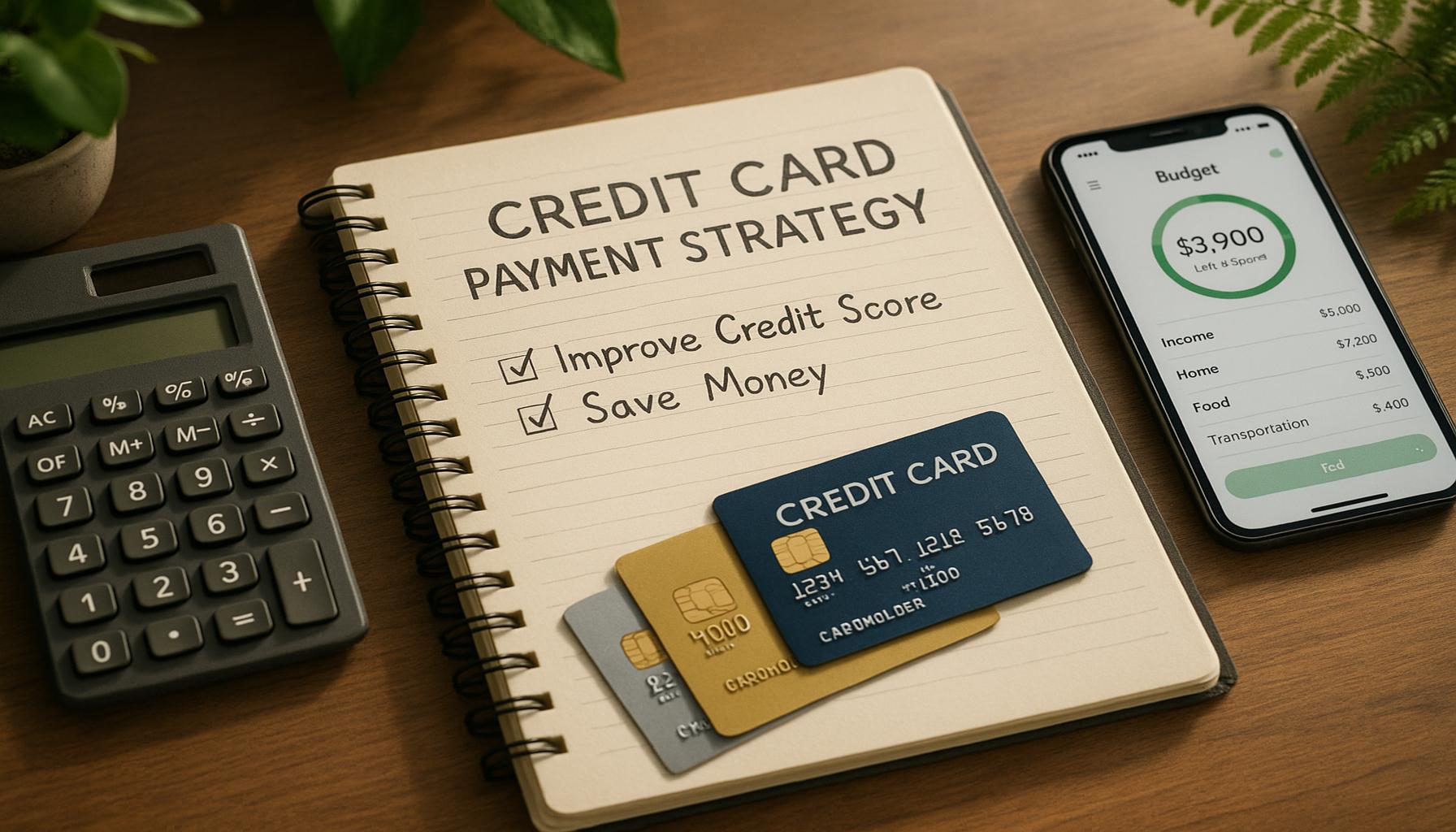
One of the most effective ways to avoid falling into credit card traps is by establishing a sustainable payment plan. Setting aside funds specifically for credit card payments can help ensure you never carry a balance from month to month. Consider the following tips when creating your payment strategy:
- Pay Your Balance in Full: Whenever possible, aim to pay off your full balance each month to avoid accruing interest.
- Prioritize Higher Interest Cards: If you have multiple cards, allocate extra payments to those with the highest interest rates first.
- Set Up Alerts: Utilize alerts for payment due dates to prevent late payments that can harm your credit score.
By being proactive and disciplined in your credit card management, you can sidestep financial traps and pave the way toward healthier financial habits that will benefit you in the long run.
DON’T MISS: Click here for smart retirement savings tips
Building an Emergency Fund
While credit cards can provide immediate financial relief during emergencies, relying solely on them may lead to increased debt and stress. Thus, having a robust emergency fund is vital in creating a balanced financial plan. This fund acts as your safety net, allowing you to cover unexpected expenses without resorting to credit cards. Here are key ways to establish and maintain an emergency fund:
- Set a Target Amount: Aim to save three to six months’ worth of living expenses. This figure ensures you have enough cushion to navigate unforeseen circumstances, such as job loss or medical emergencies.
- Automate Your Savings: Treat your emergency fund like a monthly bill. Set up automatic transfers from your checking account to your savings account to build your fund progressively without much effort.
- Choose the Right Account: Keep your emergency savings in a high-yield savings account with easy access. This way, your money can grow while remaining available when needed.
Establishing this financial foundation not only helps mitigate the need to rely on credit cards in times of crisis but also ensures that you stay on track with your overall financial wellness.
Understanding Your Credit Report
Another crucial aspect of managing your personal finance correctly involves gaining a thorough understanding of your credit report. Often, consumers overlook the reality that their credit history influences their credit card options and interest rates. Regularly monitoring your credit report can help you stay ahead of potential issues. Here’s how to approach it:
- Check for Errors: Review your credit report for inaccuracies, such as incorrect account information or late payments that you’ve actually paid on time. Correcting these errors promptly can prevent unnecessary damage to your credit score.
- Know the Factors Affecting Your Score: Factors like payment history, credit utilization ratio, and the length of credit history play pivotal roles in determining your credit score. Understanding these can guide your borrowing behaviors and promote healthier credit habits.
- Utilize Free Resources: In the U.S., you’re entitled to one free credit report annually from each of the three major credit bureaus. Make the most of this opportunity to stay informed about your credit standing.
A solid grasp of your credit report will empower you to make better financial decisions, ensuring that your credit card use serves as an asset rather than a liability.
Learning to Manage Credit Wisely
Effective management of credit cards entails more than just payment plans and understanding fees; it also involves cultivating a mindset geared towards financial literacy and responsible usage. By familiarizing yourself with various strategies, you can develop habits that prevent financial pitfalls:
- Monitor Your Spending: Use budgeting apps or spreadsheets to track your credit card expenditures. Knowing how much you’re spending will help you remain within your budget and avoid unnecessary debt.
- Avoid Impulse Purchases: Before making a purchase, especially a significant one, pause for at least 24 hours. This waiting period can help you evaluate whether you truly need the item or service.
- Educate Yourself on Interest Rates: Familiarize yourself with how interest is calculated on your balance carried forward. Understanding this can motivate you to pay off your balance and avoid lingering debt.
Incorporating these measures will allow you to navigate the credit card landscape with confidence, ultimately steering clear of financial traps and making informed decisions that align with your personal finance goals.
DIVE DEEPER: Click here to learn how to apply
Conclusion
Navigating the realm of personal finance and credit cards can often feel like a daunting task, but with the right strategies in place, it can lead to financial stability and confidence. By prioritizing the establishment of a robust emergency fund, you lay the groundwork for a secure financial future, mitigating the reliance on credit during unexpected situations. Coupled with a thorough understanding of your credit report, you empower yourself to make informed decisions, ensuring that your creditworthiness works in your favor rather than against you.
Furthermore, embracing a culture of financial literacy is paramount. By actively managing your credit, monitoring spending, and resisting the urge for impulsive purchases, you develop habits that nurture financial responsibility. Establishing a clear budget and sticking to it can be transformative, allowing you to leverage credit cards as valuable financial tools rather than potential pitfalls.
Ultimately, avoiding financial traps is not merely about restricting spending; it’s about adopting a holistic approach to personal finance. By fostering awareness, discipline, and proactive measures, you can navigate credit responsibly, leading to lasting financial health. Remember, mastering your personal finances is a journey, and each step you take brings you closer to achieving financial freedom and peace of mind.