
How the Sharing Economy is Changing the Landscape of Traditional Investments
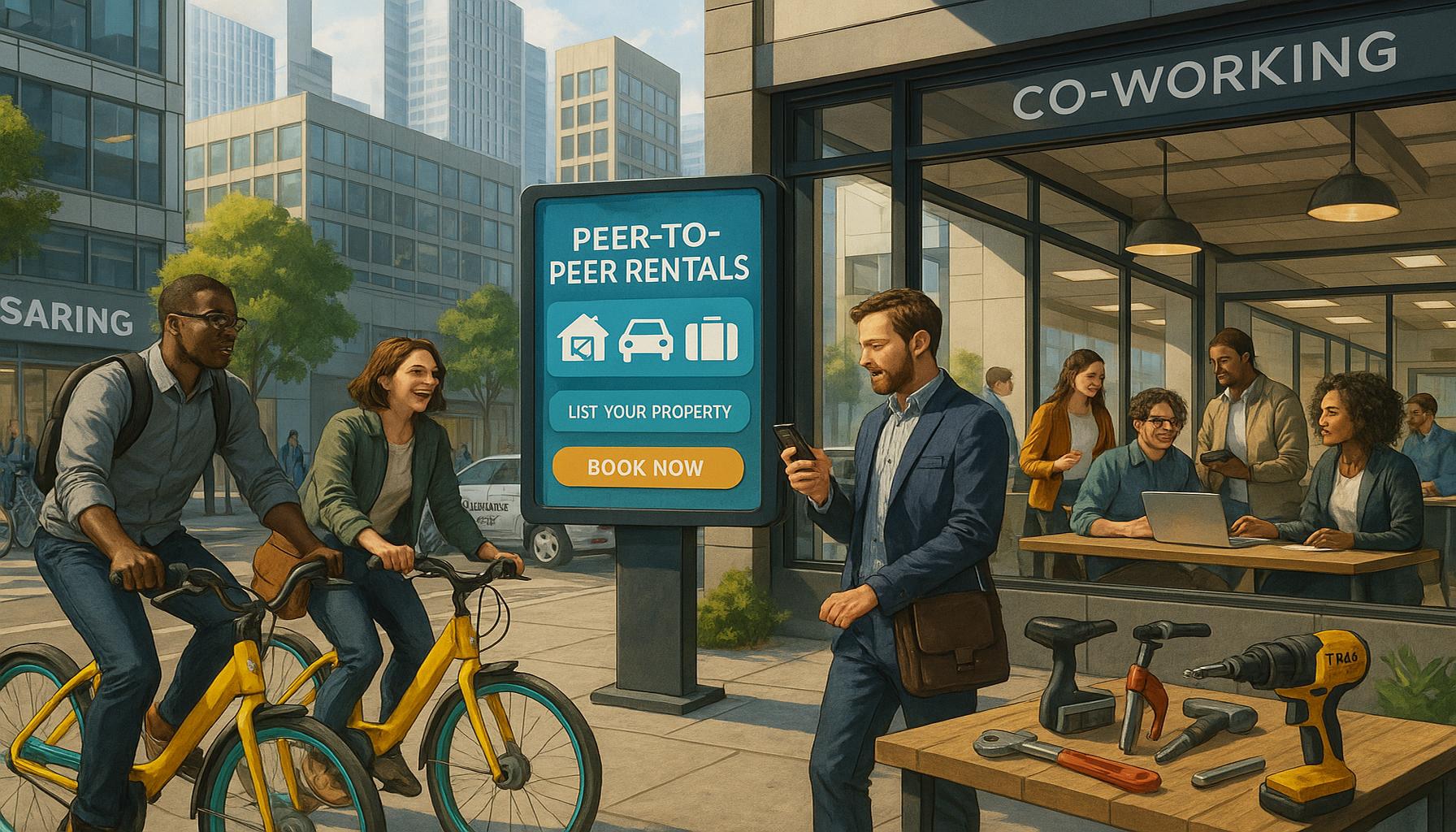
The Transformation of Investment through Collaborative Consumption
The emergence of the sharing economy marks a significant departure from traditional investment models. Individuals and businesses are increasingly recognizing the benefits of collaborative consumption, which allows them to maximize resources and optimize returns without the burdens of ownership. This shift toward shared resources encompasses various sectors and has implications for investors at all levels.
Accessibility to New Markets
One of the primary drivers of this transformation is accessibility. Platforms like Airbnb and Uber have democratized investment opportunities, allowing ordinary individuals to enter markets that were once the domain of wealthy investors. For instance, a homeowner in San Francisco can list a spare room on Airbnb, generating income that might help pay the mortgage or fund other investments. Similarly, a car owner can utilize Uber to turn their vehicle into an earning asset whenever they wish. This model provides an entry point for many who may have previously felt excluded from traditional investing, facilitating a more inclusive economy.
Diversification and Flexibility in Investment Strategies
Flexibility is another important aspect driving the rise of collaborative consumption. Investors can now diversify their portfolios by engaging in multiple sectors with relatively lower financial commitments. For example, instead of investing solely in stocks or bonds, an investor might allocate a portion of their funds to peer-to-peer lending platforms, real estate crowdfunding, or even buying shares in local rental companies. This diversification spreads risk and allows for tailored strategies that align with personal goals and values.
Data-Driven Insights
Moreover, the sharing economy harnesses the power of technology to enable data-driven decisions. Investors have access to real-time analytics that shed light on market dynamics and consumer preferences. For instance, platforms like Turo, which allow users to rent out their cars, provide detailed reports on demand for specific vehicle types in particular locations. This wealth of information helps savvy investors to make informed choices, guiding the selection of assets that align with current market trends.
The Growing Importance of Social Impact
As this economic model evolves, social impact and sustainability are becoming pivotal factors in investment decision-making. Many investors are now seeking opportunities that not only yield financial returns but also contribute positively to society and the environment. For example, companies that use profits from sharing initiatives to fund local community projects or eco-friendly practices are increasingly attracting attention and investment.
The implications of these shifts in the United States are particularly noteworthy. With vast resources and diverse opportunities available, investors must navigate this changing landscape with an understanding of how collaborative consumption reshapes traditional investment paradigms. By embracing a more holistic view that considers accessibility, diversification, and social impact, both new and seasoned investors can better leverage the transformative potential of the sharing economy.
DISCOVER MORE: Click here for practical income-boosting ideas
Redefining Ownership and Investment Value
The sharing economy is fundamentally reshaping how we perceive ownership and the value associated with investments. Gone are the days when investors solely focused on purchasing and maintaining assets for personal gain. Instead, there is a growing recognition that shared access to goods and services can also generate significant returns. This paradigm shift has led to a more fluid understanding of wealth, where the value is derived from the utilization of resources rather than outright possession.
New Business Models Emerge
As the sharing economy flourishes, we see innovative business models that blend technology and community to provide value to users and investors alike. These models promote the collective use of resources and seek to meet the needs of a broader audience. Here are a few examples of how these new business models are changing investment strategies:
- Peer-to-Peer Lending: Platforms like LendingClub allow individuals to lend money directly to other borrowers, earning attractive interest rates that can often surpass traditional savings accounts.
- Crowdfunding: Investors can fund projects through platforms like Kickstarter or Indiegogo, gaining equity in startups or unique endeavors while supporting entrepreneurial spirit.
- Real Estate Crowdfunding: Instead of purchasing entire properties, investors can pool resources to fund real estate projects on platforms like Fundrise, democratizing access to real estate investment.
This transition toward shared business models creates a new layer of complexity in evaluating investment potential. Investors are now tasked with examining not just financial returns but also assessing community impact and sustainability within these businesses. As these models proliferate, traditional valuation metrics are being reassessed, with investors increasingly factoring in social returns alongside financial ones.
Impact on Risk Management
The collaborative nature of the sharing economy also brings a new perspective on risk management. Traditional investments often come with considerable upfront costs and financial commitments, increasing exposure to market volatility. In contrast, the sharing economy encourages smaller, distributed investments across various platforms. These micro-investments lower individual risks and allow investors to pivot more quickly in response to changing market conditions.
For instance, a savvy investor might choose to diversify their involvement across several sharing economy platforms—engaging in ride-sharing during peak times, renting out vacation homes seasonally, and participating in crowdfunding for local startups. Such an approach not only mitigates risk but also enhances overall returns as an investor exploits multiple revenue streams.
Challenges Ahead
With this new landscape, however, come challenges that investors must navigate. Regulatory hurdles, market saturation, and fluctuating consumer preferences pose potential risks. Investors need to remain agile and well-informed, scrutinizing emerging trends while also understanding the socio-economic factors that influence the sharing economy’s growth.
As the model continues to evolve, it will require investors to adopt a more comprehensive view of their portfolios, focusing on not just yield, but also on how these investments align with modern values and consumer behaviors. Striking the right balance between traditional investment knowledge and the innovative philosophies of the sharing economy will be critical for success in this dynamically shifting landscape.
DISCOVER MORE: Click here to uncover the secrets of financial minimalism
Investing in Experiences Over Assets
Another profound shift ushered in by the sharing economy is the prioritization of experiences over tangible assets. As consumers increasingly value access over ownership, investors need to recognize this trend and adapt their strategies accordingly. In a world where a memorable experience—whether it’s a gourmet meal in someone’s home or an eco-tour in a remote destination—holds significant value, the market for such offerings is booming. This evolution opens up advanced avenues for investment, particularly in sectors like travel, hospitality, and entertainment.
The Experience Economy’s Rise
According to research from the marketing consulting firm Eventbrite, experience-driven spending is expected to surpass traditional goods by 2025. This statistic underscores the urgency for investors to pivot their focus. Venture capitalists are increasingly pouring funds into platforms like Airbnb and Feastly, which capitalize on this experience economy by enabling unique interactions that go beyond mere transactions. This is not just a shift in consumer preference; it’s an investment signal that demands a reconsideration of what represents value.
Firms like Airbnb have transformed the real estate investment landscape by allowing homeowners to rent out their spaces instead of selling them. Framed as a way to earn passive income, this model encourages a more dynamic use of properties. Consequently, the surge in short-term rentals not only amplifies income potential but also affects property values in certain markets—investors must be aware of these fluctuations and how they may impact long-term investments.
Creating Value Through Community Engagement
Moreover, the sharing economy has underscored the importance of community engagement and local involvement. Investments that resonate with local values and needs are more likely to thrive. Businesses that focus on building relationships within their communities, such as local tool-sharing programs or bike-sharing initiatives, have seen success by appealing to socially-conscious consumers and fostering communal ties.
As a case in point, platforms like Neighbor allow individuals to rent out their garage space to those needing storage. This form of investment in shared community resources not only creates alternative income streams but also reinvents how investors view property utility. In this case, it is the engagement and relationship fostered between renters and those utilizing the space that amplifies investment value.
Technology’s Role in Facilitating Innovation
Central to the sharing economy’s impact on traditional investments is the role of technology. The integration of apps and online platforms has made it easier for consumers to access shared resources with minimal effort. This tech-driven landscape means that traditional investors must adapt their portfolios to include technology-based innovations that facilitate sharing, as these platforms often promise scalability and reach that traditional investments lack.
Investment in technology startups focusing on artificial intelligence and machine learning, for instance, can yield lucrative returns as they offer enhanced platforms for sharing resources efficiently. Companies like Lyft leverage technology not only to facilitate ride-sharing but also to optimize route efficiency, thus providing a better service to users and a more lucrative model for investors.
To thrive in this evolving landscape, traditional investors must embrace the dual challenge of understanding both the technology that powers the sharing economy and the sociocultural factors that drive its growth. As resources are increasingly shared rather than owned, investors will find value in building connections rather than merely amassing assets. This shift signifies a fundamental transformation in how investments are conceptualized, pushing the envelope of traditional investment wisdom toward an era defined by flexibility, community, and innovative opportunities.
DISCOVER MORE: Click here for savvy saving tips!
Conclusion
The emergence of the sharing economy has heralded a seismic shift in the landscape of traditional investments. As consumers gravitate towards valuing experiences over material possessions, investors must recalibrate their strategies to align with this cultural transformation. The rising trend of experiential spending demonstrates that value is increasingly found in connections and community engagement, rather than simply accumulating assets. This new paradigm encourages the exploration of innovative business models that foster communal ties and enrich local economies.
Furthermore, technology serves as a cornerstone of this change, enhancing efficiency and scalability within the sharing economy. By embracing investment opportunities in tech-driven platforms, investors can tap into a growing marketplace that capitalizes on the demand for shared resources and collaborative consumption. The unique intersection of technology, community, and experience invites a rethinking of traditional asset evaluation, paving the way for a more dynamic approach towards investment.
As we move further into this era, it is evident that the future of investing will be shaped by adaptability and an openness to new value propositions. Investors who recognize the significance of building relationships and supporting local initiatives will ultimately thrive in this evolving economic landscape. The sharing economy is not just a passing trend but a fundamental shift that beckons a holistic rethinking of traditional investment methodologies—a demand that investors must heed if they wish to stay relevant and successful in a changing world.