Menu

The Impact of the Digital Economy on Money-Making Opportunities

The digital economy revolutionizes money-making opportunities, empowering individuals through freelancing, e-commerce, content creation, and online courses. This shift fosters financial independence and creative expression, enabling diverse income streams while leveraging technology and innovative platforms for entrepreneurial success in a global market.


Finance and Entrepreneurship: Creating New Sources of Income in Times of Crisis

In times of economic uncertainty, innovation in finance and entrepreneurship becomes essential for generating new income sources. The rise of e-commerce, freelancing, and digital platforms enables individuals to adapt, monetize skills, and create sustainable revenue streams, fostering resilience and growth even amid challenges.

How Technological Innovation is Transforming the Investment Landscape

Technological innovation is profoundly transforming the investment landscape, enhancing efficiency and inclusivity. AI-driven analysis, blockchain security, and robo-advisors democratize access to investment opportunities, while mobile trading apps empower users. This evolution offers investors valuable tools but also presents challenges requiring awareness and adaptation in an increasingly data-driven market.

Effective Tactics to Make Money in a Volatile Economic Market

In an unpredictable economic climate, adopting effective tactics is vital for financial resilience. Emphasizing adaptability, diversification, and informed investing can help you navigate challenges while exploring opportunities like e-commerce and alternative investments. Leveraging technology for budgeting and understanding market trends is essential for achieving financial success amidst volatility.

The Role of Behavioral Finance in Investment Decision-Making

Behavioral finance highlights the crucial impact of psychology on investment decision-making. Understanding emotional and cognitive biases, like fear and overconfidence, empowers investors to navigate market volatility and enhance long-term strategies. Recognizing these psychological factors fosters more informed choices, ultimately leading to better financial outcomes and sustainable wealth growth.

Sustainable Investments: Making Money with Social Responsibility

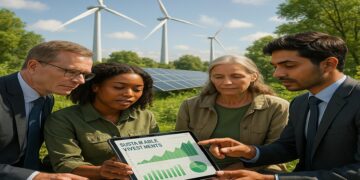
Sustainable investments are transforming the financial landscape, emphasizing profit alongside social responsibility. This shift enables investors to support eco-friendly initiatives, enhance social equity, and demand ethical governance. By merging financial goals with positive societal impact, investors can drive meaningful change while achieving attractive returns in a rapidly evolving market.

How Financial Education Can Increase Your Investment Opportunities

Financial education enhances investment opportunities by equipping individuals with crucial knowledge for informed decision-making. It fosters improved understanding of diverse investment options, risk management, and market trends, empowering investors to navigate complexities confidently. This foundation not only builds wealth but also creates a more financially literate society, driving communal prosperity.

How to Invest in Stocks During Economic Instability

Investing during economic instability requires a strategic approach. Key strategies include diversification across sectors, staying informed on market trends, and focusing on value investing. By adopting a long-term perspective and considering resilient sectors and dividend-paying stocks, investors can navigate uncertainty and seize potential opportunities for growth.

Personal Finance Strategies to Increase Your Passive Income

Explore effective personal finance strategies that enhance your passive income, enabling financial freedom. Discover diverse avenues, from real estate investing and dividend stocks to digital products and affiliate marketing, each contributing uniquely to increased earnings and long-term wealth. Take action to build a secure financial future.

Economic Trends Influencing the Labor Market and Its Finances

The article explores key economic trends shaping the labor market, including technological advancements, the rise of the gig economy, demographic shifts, and remote work. It emphasizes the need for workers and businesses to adapt to these changes, ensuring a resilient workforce and navigating the financial implications effectively.